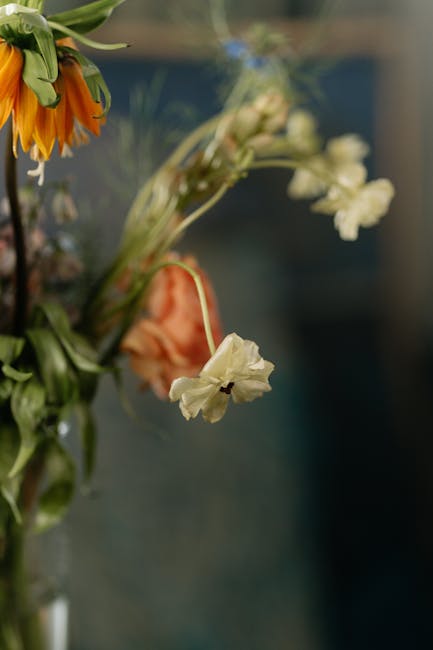
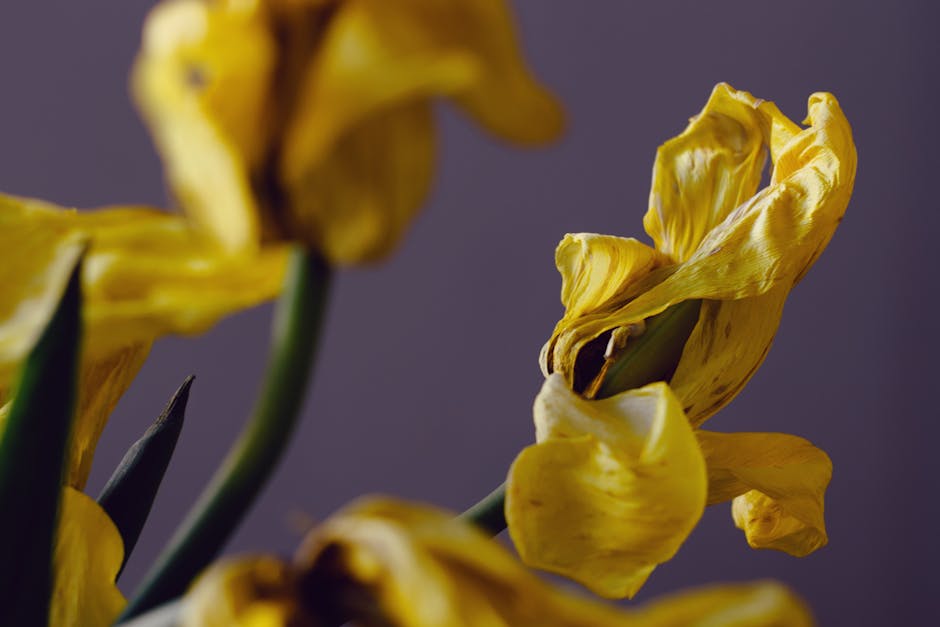
What to do with Wilting Flowers from Chelsea Events
Wilting flowers after a Chelsea event can feel a little deflating, especially when the arrangement looked perfect only hours earlier. Maybe the petals have softened, stems have drooped, or the display has simply reached the end of its best moment. The good news is that wilting does not always mean waste. With the right approach, you can often revive, repurpose, preserve, or dispose of event flowers in a way that feels thoughtful and practical.
This guide explains what to do with wilting flowers from Chelsea events in a clear, real-world way. You will find rescue steps, reuse ideas, signs that flowers are beyond saving, and sensible guidance for keeping things tidy, sustainable, and stress-free. If you are planning ahead for future events, it can also help to understand flower care best practice, because a little aftercare goes a long way.
To be fair, not every bouquet is meant to last. But many can be given a second life, and that is often the nicest outcome of all.
Table of Contents
- Why Wilting Event Flowers Matter
- How to Handle Wilting Flowers Properly
- Key Benefits and Practical Advantages
- Who This Is For and When It Makes Sense
- Step-by-Step Guidance
- Expert Tips for Better Results
- Common Mistakes to Avoid
- Tools, Resources and Recommendations
- Law, Compliance, Standards, or Best Practice
- Options, Methods, or Comparison Table
- Case Study or Real-World Example
- Practical Checklist
- Conclusion
- Frequently Asked Questions
Why What to do with Wilting Flowers from Chelsea Events Matters
Wilting flowers may look like a small issue, but in practice they affect presentation, waste, budget, and mood. At an event, flowers are often one of the first things guests notice. Once they begin to sag or brown at the edges, the whole space can look tired, even if everything else is immaculate. That matters for private celebrations, corporate receptions, boutique launches, and weddings alike.
There is also a sustainability angle. Event flowers are often cut for a short window of beauty, which means good aftercare and smart reuse can reduce waste quite noticeably. In a place like Chelsea, where event styling tends to be careful and polished, it makes sense to treat flowers as something to be managed, not simply discarded the moment they droop.
And let's face it, nobody wants to be left with a bin full of expensive-looking stems and the uncomfortable feeling that they have thrown away something still partly usable. The better question is: what can be saved, what can be repurposed, and what should be retired cleanly?
Expert summary: The best response to wilting event flowers is usually a simple triage process: rescue what can still recover, reuse what remains attractive, and dispose of the rest in a tidy, responsible way.
How What to do with Wilting Flowers from Chelsea Events Works
The process is more straightforward than people often think. First, you assess the flowers quickly and honestly. Are the stems bent because they are dehydrated, or are the blooms genuinely spent? Is the issue one bad day in a warm room, or are the petals collapsing from age?
Next, you separate the arrangement into three groups:
- Recoverable flowers - blooms that may perk up with fresh water, trimming, and cool storage.
- Reusable flowers - stems that still look good enough for smaller arrangements, table posies, or home display.
- Finished flowers - blooms that have passed their best and should be composted or disposed of properly.
That sounds simple, and mostly it is. The detail sits in the timing. Flowers left in warm air, near sunlight, or beside fruit will deteriorate faster. Flowers that are cleaned, recut, and chilled early on often last longer. Even a few minutes can make a difference. A slightly awkward truth, but there it is.
If the flowers came from an event delivery, it is worth checking delivery notes, water levels, and any care guidance you were given. For example, a well-organised delivery process can help flowers arrive in better condition, which makes later recovery easier too.
Key Benefits and Practical Advantages
Dealing with wilting flowers properly is not just about saving stems. It can improve the whole event lifecycle from setup to clear-down.
- Less waste: You avoid throwing away flowers that still have a short but useful life left.
- Better value: Reusing flowers for home, staff areas, or smaller spaces stretches the original spend.
- Cleaner event spaces: Removing tired flowers quickly keeps venues looking polished.
- More sustainable choices: Reuse, composting, and careful disposal all help reduce avoidable waste.
- More control: A clear method removes the panic that can come when flowers start drooping mid-event.
There is also a quieter benefit: it helps you make decisions with less emotion. Anyone who has stood near a beautiful but fading arrangement knows the feeling. The room still smells faintly of roses, but the petals are starting to curl. With a plan, you respond calmly rather than reactively.
If you are organising events regularly, it can also be useful to keep a close eye on flower guarantees and care expectations so you know what support or quality standards apply from the start.
Who This Is For and When It Makes Sense
This topic matters to more people than you might think. Wilting flowers are not only a florist's concern; they are an event-day reality for hosts, venue managers, office teams, and anyone responsible for a fresh floral display.
It makes sense if you are:
- hosting a wedding, dinner, or private celebration in Chelsea
- managing flowers for a brand launch, reception, or corporate event
- responsible for venue styling and end-of-day clear-down
- trying to reuse flowers at home after an event
- looking for a lower-waste, more thoughtful way to handle fading arrangements
In corporate settings, this can be especially useful because floral displays often move through several locations: reception desks, breakout areas, event tables, then back office or disposal. If you oversee recurring flower orders, it may be worth exploring corporate flower account options so ordering, timing, and support are easier to manage.
There is no one-size-fits-all answer. A single vase of wilting tulips at home calls for a different response than a room full of roses after a wedding breakfast. Still, the same core logic applies.
Step-by-Step Guidance
Here is a practical way to handle wilting flowers from a Chelsea event without overcomplicating it.
1. Remove the flowers from heat and direct light
Start by moving the arrangement away from radiators, windows, candles, or any warm service area. Flowers dislike heat more than most guests do. A cooler room can slow decline and give you time to assess what is left.
2. Check the water
If the flowers are in a vase, empty any cloudy water and refill it with clean, cool water. Remove any leaves sitting below the waterline. That small step helps prevent bacteria from spreading through the stems. In a busy venue, this is one of those unglamorous jobs that quietly saves the day.
3. Trim the stems
Cut a small amount from the bottom of each stem at an angle. This helps the flowers take up water more effectively. Use clean scissors or secateurs, not kitchen scissors that have seen one too many odd jobs. The cut does not need to be dramatic; a neat, fresh trim is usually enough.
4. Sort by condition
Lay the flowers out and group them. Keep the strongest stems together and set aside the tired ones. A rose with a slightly softened head may still work in a smaller display, while a bloom with browning edges may be ready for composting. This sorting stage is where judgment matters most.
5. Try a simple revival method
Some flowers respond well to fresh water, stem trimming, and a few hours in a cool room. Others do not, and that is fine. You are looking for improvement, not perfection. If the petals begin to lift again by the next morning, you have probably bought yourself another day or two.
6. Reuse creatively
Move recovered flowers into smaller vessels: jam jars, low bowls, bud vases, or office desk arrangements. Even a short row of mixed stems on a sideboard can feel intentional. One bloom is often enough to soften a room.
7. Dispose responsibly
When flowers are beyond rescue, separate reusable material from waste. Remove ribbons, wires, foam, and non-organic packaging where possible. Compost suitable stems and petals if your setup allows it. If not, place them in the correct waste stream for your venue or household.
That is the basic flow. Simple, but effective. And if you do it in that order, you rarely make the situation worse.
Expert Tips for Better Results
Small changes make a big difference with flowers. Here are the practical details professionals tend to notice first.
- Act early: The sooner you cool and recut flowers, the better the chance of revival.
- Keep water clean: Cloudy water shortens vase life faster than many people realise.
- Use the right vase size: Overcrowded stems struggle to breathe and drink properly.
- Mind room temperature: A cool, shaded room is usually better than a warm kitchen or sunny sill.
- Separate delicate blooms: Some flowers deteriorate faster than others, so do not judge the whole bunch by one tired stem.
- Plan a second use at the outset: If you know the event flowers will be reused, ask for designs that can be broken down easily later.
One useful habit is to keep a spare jug of clean water and a pair of scissors ready during breakdown. It sounds almost laughably basic, but it stops the whole job from becoming a scramble at the end of the night.
If you want better results next time, start with better purchasing and handling too. You can see broader standards around sourcing and environmental choices in the site's sustainability information, which is a good reference point when planning event flowers with less waste in mind.
Common Mistakes to Avoid
People usually do not damage wilting flowers on purpose. It just happens because the event is busy and everyone is clearing plates, stacking chairs, and hunting for the last charger cable. Still, there are a few mistakes worth avoiding.
- Waiting too long: Once flowers sit warm and dry for hours, recovery becomes much less likely.
- Using dirty containers: Old residue in a vase can shorten the life of the next arrangement.
- Leaving leaves in the water: This speeds up decay and creates unpleasant smells.
- Assuming every stem can be saved: Sometimes the right call is to let go of the flowers that are clearly done.
- Forgetting transport: A revived bouquet can wilt again if carried in a hot car boot or left by a doorway for too long.
- Mixing spent flowers with reusable ones: One bad stem can spoil the look of a fresh arrangement quickly.
Truth be told, the biggest mistake is emotional. People keep hoping a clearly finished display will somehow recover on its own. Usually it will not. Decide, sort, move on. Much calmer.
Tools, Resources and Recommendations
You do not need a florist's workshop to manage wilting flowers well. A few simple tools cover most situations.
| Tool or item | Why it helps | Typical use |
|---|---|---|
| Clean scissors or secateurs | Makes a fresh stem cut without crushing tissue | Trimming stems before rehydrating |
| Spare vases or jars | Lets you split flowers into smaller, more manageable groups | Reusing blooms around the home or venue |
| Cool water | Supports short-term hydration | Refreshing vase water |
| Compostable waste bag or liner | Helps separate organic waste cleanly | Disposing of finished stems responsibly |
| Paper towels | Useful for drying surfaces and handling drips | Quick clean-up after breakdown |
For practical ordering and payment planning, it can also help to understand the site's payment information and, if something arrives in poor condition, the returns and refund guidance. That way you know what the process is before an issue turns into a larger headache.
If you are buying flowers for events frequently, a structured supplier relationship matters more than people expect. It makes re-ordering easier, keeps timing clearer, and reduces the chance of last-minute confusion. Not glamorous, perhaps, but very useful.
Law, Compliance, Standards, or Best Practice
For most readers, wilting flowers are a practical and sustainability issue rather than a legal one. Even so, there are a few sensible best-practice points to keep in mind, especially for events hosted in commercial venues.
First, waste should be handled in a way that fits venue rules and local collection arrangements. Flower heads, stems, and leaves are usually treated as organic waste where composting is available, but packaging, floral wire, ribbon, and foam may need separate handling. If you are not sure, ask the venue team rather than guessing.
Second, if flowers were part of a paid order, review any supplier terms, delivery windows, care guidance, and quality expectations. Clear documentation is helpful for both sides. It is also worth keeping accessible information close to hand; if you need to review website policies, the pages on terms and conditions, privacy, and the accessibility statement are there for reference.
Third, responsible sourcing is increasingly part of good event practice. You do not need a perfect system to do better. Small choices, like fewer single-use components and better reuse planning, already make a difference.
Finally, if you work with a supplier or studio regularly, it is reasonable to ask how they manage sourcing, waste, and care advice. You are not being difficult. You are just being careful. Which, honestly, is fair enough.
Options, Methods, or Comparison Table
When flowers start wilting, you usually have four realistic options. The best one depends on how far the flowers have declined and how much time you have.
| Option | Best for | Pros | Limitations |
|---|---|---|---|
| Revive in water | Flowers that are limp but still fresh-looking | Fast, cheap, often effective | Does not work well on very old blooms |
| Rearrange into smaller displays | Mixed-condition stems | Extends visual life, easy to do | Needs extra vases or containers |
| Dry or preserve | Blooms with good structure or sentimental value | Creates a keepsake | Not every flower dries nicely |
| Compost or dispose | Spent flowers with no remaining value | Clean finish, sensible waste handling | No further use from the flowers themselves |
In many real situations, you will use more than one option. A few stems are revived, a few are rearranged, and the rest go out with the compost. That mixed approach is often the most realistic one, especially after a long event when everyone is a bit tired and the lights are coming down.
Case Study or Real-World Example
Imagine a small Chelsea dinner event with mixed spring arrangements on tables, a welcome display near the entrance, and a few extra stems placed in reception. By the end of the evening, the entrance flowers are still fine, but the table arrangements have started to droop a little from warmth and handling.
Rather than discard everything, the host and venue team split the flowers into three groups. The best roses and lisianthus go into fresh water and are moved to a cool back room. A few strong stems are broken down into two smaller vases for the next morning's breakfast service. The softest stems are removed, and the rest are composted after packaging is taken off.
The next day, the arrangement still adds colour to the room, and the host avoids the slightly irritating feeling of having wasted a decent bunch of flowers for no reason. It is a small thing, but it makes the whole event feel more considered.
That is really the point. With a calm process, wilting flowers are no longer a problem to hide. They become a chance to make a sensible, tidy decision.
Practical Checklist
Use this quick checklist when you need to decide what to do with wilting flowers from Chelsea events:
- Move flowers away from heat and direct sun
- Check whether the water is clean or cloudy
- Remove leaves below the waterline
- Trim stems neatly before rehousing
- Sort flowers into recoverable, reusable, and finished groups
- Reuse the best stems in smaller vases or compact displays
- Compost suitable organic material where possible
- Separate ribbons, wires, and packaging from flower waste
- Record what lasted well for next time
- Review care, delivery, and supplier support for future orders
If you get into the habit of doing these steps consistently, things become much easier. Less guesswork, less panic, fewer sad-looking stems sitting around on a counter the next morning.
Get a free quote today and see how much you can save.
Conclusion
Knowing what to do with wilting flowers from Chelsea events is really about making calm, practical choices at the right time. Some flowers can be revived, some can be reused, and some are ready to be cleared away. The trick is to sort them quickly, handle them gently, and avoid wasting the ones that still have a little life left.
That approach saves money, reduces waste, and keeps event spaces looking cared for right to the end. It also gives you a more thoughtful rhythm for the whole floral lifecycle, from delivery to final breakdown. Not bad for something that starts with a drooping stem and a vase of water.
And honestly, there is something quietly satisfying about rescuing a few blooms and giving them one more day of beauty. Small win, but a good one.
Frequently Asked Questions
Can wilted event flowers be revived?
Sometimes, yes. If the flowers are still relatively fresh, a clean stem trim, fresh water, and a cool room can help them recover for a short while. If the petals are badly browned or mushy, revival is unlikely.
What is the first thing I should do with wilting flowers?
Move them away from heat and sunlight, then check the water. Those two steps alone can slow further decline while you decide whether to revive, reuse, or dispose of them.
How do I know if flowers are beyond saving?
If the stems feel soft, the blooms are collapsing, the petals are visibly browning, or the water smells unpleasant, the flowers are probably finished. At that point, reuse is usually limited to decorative fragments rather than full stems.
Can I reuse wilting flowers from an event at home?
Yes, often you can. Smaller vases, bud arrangements, or mixed jars can make tired blooms look intentional again. Just separate the best stems from the weakest ones first.
Is it better to dry wilting flowers or compost them?
That depends on the flower type and how far they have declined. If they still hold shape and colour, drying may be worth trying. If they are already collapsing, composting is usually the cleaner choice.
How long do event flowers usually last after a Chelsea event?
There is no fixed answer. It depends on the flower variety, temperature, water quality, and how they were handled during the event. Some may last another day or two; others may only look good for a few more hours.
What should I do with floral foam, ribbon, and wires?
Remove non-organic items before disposal wherever possible. These materials should not usually go into compost. Keep them separate so the flower waste is easier to manage properly.
Does flower delivery quality affect how quickly flowers wilt?
It can. Good handling before and during flower delivery often gives flowers a better starting point, which may improve how long they remain presentable after an event.
What are the best flowers for reuse after an event?
Hardier blooms with sturdy stems and good petal structure tend to reuse better than delicate flowers. Roses, alstroemeria, chrysanthemums, and some seasonal blooms often hold up reasonably well if they are still fresh.
Are there any sustainability benefits to reusing event flowers?
Yes. Reuse and composting can reduce waste and make event floral styling feel more responsible. Even small changes, like breaking down arrangements into smaller displays, can help.
Should I ask my florist for care advice in advance?
Absolutely. Clear care guidance before the event makes a big difference after it. It helps you know how long flowers may last, how they should be stored, and what can realistically be done if they begin to wilt.
What is the smartest next step if I want better flower results for future events?
Plan the aftercare as part of the event itself. Ask about care, delivery timing, guarantees, and whether the flowers can be reused or broken down easily later. A bit of planning up front saves a lot of faff later on.