Permits and pavement displays: Selling Flowers in Chelsea
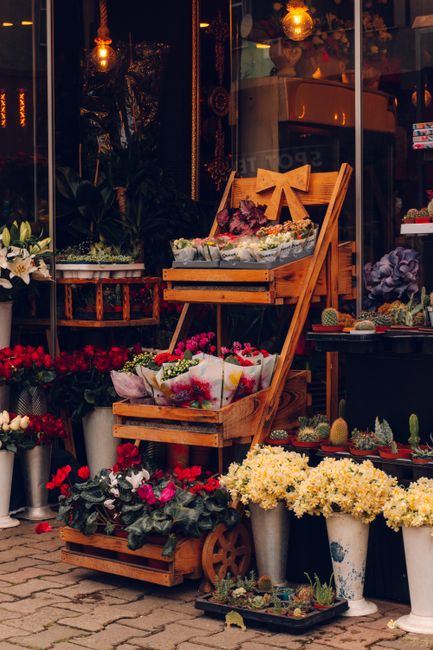
Setting up flowers outside a shop in Chelsea looks simple from the pavement. A neat bucket of tulips, a chalkboard, a few scented bunches catching the morning light, and suddenly the frontage feels alive. But anyone who has ever tried to trade on a narrow London street knows there is more to it than style. Permits and pavement displays: Selling Flowers in Chelsea brings together the practical side of trading space, the local feel of the area, and the rules that help keep streets safe and tidy.
Whether you are a florist, a cafe owner adding blooms to the front, or a retailer testing a small outdoor display, the real challenge is balance: attract customers without getting in the way. In Chelsea, that balance matters even more because pavements can be busy, footfall can shift quickly, and the standard for presentation is, well, fairly high. This guide walks you through what pavement displays involve, why permits matter, how to approach compliance, and how to make the setup work in the real world.
For a broader look at the business behind local flower retail, you can also explore our flower delivery service and read more about who we are.
Table of Contents
- Why Permits and pavement displays: Selling Flowers in Chelsea Matters
- How Permits and pavement displays: Selling Flowers in Chelsea Works
- Key Benefits and Practical Advantages
- Who This Is For and When It Makes Sense
- Step-by-Step Guidance
- Expert Tips for Better Results
- Common Mistakes to Avoid
- Tools, Resources and Recommendations
- Law, Compliance, Standards, or Best Practice
- Options, Methods, or Comparison Table
- Case Study or Real-World Example
- Practical Checklist
- Conclusion
- Frequently Asked Questions
Why Permits and pavement displays: Selling Flowers in Chelsea Matters
A pavement display is not just decoration. It is an extension of the shopfront, a sales tool, and a public-facing part of the business. In Chelsea, that matters because the area has a distinct street character: elegant frontages, premium retail, residential streets with steady foot traffic, and a level of visual expectation that tends to be higher than average. A display that looks careless can feel out of place very quickly.
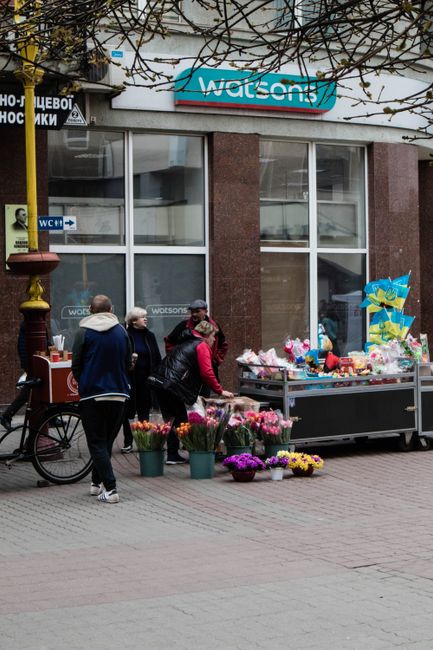
Permits matter because public pavement space is shared space. If you place buckets, stands, signs, or plant containers outside your premises, you may need permission to do so, and you certainly need to make sure the display does not create a hazard or block movement. A display that seems tiny to the trader can feel huge to someone pushing a pram, walking a dog, carrying shopping, or using a mobility aid. That is the bit people sometimes miss.
There is also a commercial angle. A well-managed display can increase visibility, encourage impulse purchases, and make a florist easier to find from the street. But the same display can become a risk if flowers wilt in the sun, water spills across the paving, or the arrangement drifts into the pedestrian route. Truth be told, the pavement does not forgive sloppy setups.
Expert summary: Think of a pavement display as a temporary extension of your retail experience, not a separate space. If it improves the street without slowing it down, you are thinking in the right direction.
How Permits and pavement displays: Selling Flowers in Chelsea Works
At a practical level, selling flowers from a pavement display usually involves three connected pieces: permission, placement, and presentation. The permit or licence aspect covers whether you are allowed to use the space. Placement covers where the display sits, how much room it takes, and how people will move around it. Presentation is everything else: appearance, stability, watering, stock rotation, and day-to-day maintenance.
In a place like Chelsea, you should expect that the permit conversation may involve local council controls, building management rules if the frontage is part of a managed property, and conditions attached to keeping the pavement clear. Some permissions are straightforward, others less so. The key thing is not to assume that because a display is small it is automatically allowed. Small and compliant are not always the same thing. Annoying, but true.
Most flower traders approach the process in stages. First, they assess whether the location is suitable. Then they check the permission route. After that, they design the display so it works within the usable width of the pavement. Finally, they review it once it is live, because what looked fine on paper can feel awkward at 8:30 on a busy weekday morning.
Operationally, a good pavement display does a few jobs at once:
- draws attention without becoming clutter
- keeps stems and buckets stable
- allows customers to browse comfortably
- supports quick replenishment and water changes
- stays clean and safe in changing weather
It is also worth building practical systems around the display itself. For example, if flowers are part of a broader ordering offer, make sure your payment process is quick and simple with clear payment options, and set expectations clearly through your terms and conditions.
Key Benefits and Practical Advantages
When done properly, a pavement display can support both sales and brand trust. The advantage is not just that people see flowers. It is that they see freshness, colour, care, and energy before they even step inside. In a flower business, that first impression does a lot of heavy lifting.
- Greater visibility: Customers spot the business sooner, especially on a street with competing shopfronts.
- Impulse buying: Flowers are naturally emotive. A strong display can convert casual passers-by.
- Better local identity: A thoughtful frontage helps a shop feel rooted in the neighbourhood rather than generic.
- Seasonal flexibility: You can change the display for spring stems, summer brightness, festive arrangements, or event-led demand.
- Brand credibility: Clean, orderly displays suggest the same care behind the bouquets and deliveries.
There is a softer benefit too. Flowers on the street change the mood around the store. On a grey London morning, a well-kept display can be the one bright thing in sight. That matters more than many business owners expect.
For customers who prefer delivery rather than collecting in person, a pavement presence can still support the wider buying journey. It acts as a visual storefront for your delivery offering, and for regular business buyers it may complement corporate account services.
Who This Is For and When It Makes Sense
This topic is relevant to a few different groups, and the needs are not quite the same.
- Independent florists: If you rely on walk-in trade and local discovery, pavement displays can be one of your best street-level tools.
- Retailers with floral add-ons: Shops selling gifts, cards, homeware, or food may use flowers to soften the frontage and improve basket value.
- Hospitality businesses: A cafe or restaurant may use flowers near the entrance, provided the setup is properly managed and permitted.
- Event-focused sellers: Temporary trading around weddings, celebrations, and local occasions often needs extra attention to permissions and timing.
- Delivery-first businesses testing visibility: A pavement display can help build recognition in a neighbourhood even when most orders are fulfilled elsewhere.
It makes sense when the display will genuinely add value to the street and your business. It does not make sense if the frontage is too narrow, too exposed to weather, or too busy for safe pedestrian movement. If you are constantly shifting buckets to avoid blocking people, that is usually a sign the setup needs rethinking.
And if your main service is online ordering, the display should still support the experience by making your brand feel dependable. That is where practical policies matter too, including returns and refund information, service guarantees, and straightforward flower care guidance.
Step-by-Step Guidance
If you are approaching permits and pavement displays for the first time, keep the process simple and methodical. The goal is to avoid expensive guesswork.
- Measure the frontage carefully. Check the usable pavement width, doorway clearance, and any pinch points such as signs, bins, poles, or steps.
- Map pedestrian movement. Stand outside at different times of day and watch how people naturally pass. Morning commuter flow can feel very different from a relaxed Saturday afternoon.
- Identify what you want to display. Decide whether you are using buckets, low stands, moveable planters, or a single feature board. Less is often better.
- Check the permission route. Confirm whether a permit, landlord approval, or other authorisation is needed before anything goes onto the pavement.
- Design for stability and visibility. Use sturdy containers, weighted bases where appropriate, and arrangements that cannot tip easily in wind or when brushed lightly.
- Build in housekeeping. Plan for water changes, flower rotation, debris removal, and end-of-day storage.
- Review the customer experience. Can people browse without feeling squeezed? Can a wheelchair user pass comfortably? Can a delivery driver unload without chaos?
- Monitor and refine. Once the display is live, adjust layout, stock height, and spacing based on actual foot traffic.
A small note from experience: it is easier to start slightly under-sized and improve than to start bold and then have to shrink everything after complaints. Nobody enjoys that conversation. Nobody.
Expert Tips for Better Results
There are a few habits that tend to separate a polished floral frontage from a messy one. None of them are complicated, but they make a real difference.
- Use height carefully. A little vertical interest helps, but tall arrangements can obstruct sight lines and create wind risk.
- Keep the colour story tight. Two or three main tones usually look better than a mixed-up rainbow of stock.
- Choose containers that match the brand. Clean metal, terracotta, or simple florist buckets often work better than random mismatched tubs.
- Refresh the front first thing. If the display looks tired by 10 a.m., it is already underperforming.
- Plan for wet weather. Chelsea mornings can be damp, and a display that works in dry conditions may become slippery or heavy when soaked.
- Keep signage readable, not shouty. The street should feel invited in, not shouted at.
Also, do not let the display become a storage area with flowers in it. That sounds obvious, but it happens. A box of spare ties, a forgotten watering can, a half-used roll of wrapping paper... suddenly the charming pavement display looks like a back room escaped outside.
If sustainability is part of your brand, make that visible through thoughtful sourcing, reduced waste, and responsible packaging. Our sustainability commitment shows the kind of approach customers increasingly expect, especially in a design-conscious neighbourhood.
Common Mistakes to Avoid
Most pavement-display problems are not dramatic. They are small, repeated errors that build up. Catch them early and you save yourself a headache later.
- Blocking the natural walking line: Even a few extra inches can matter on a busy pavement.
- Ignoring the weather: Wind, rain, and sudden sun all affect flowers, water containers, and stability.
- Overcrowding the frontage: More stock does not always mean more sales. Sometimes it just means less breathing room.
- Letting flowers deteriorate: Wilted stock undermines trust fast, especially in a premium area.
- Forgetting maintenance rhythms: A display needs checks through the day, not just a one-time setup.
- Assuming verbal approval is enough: Always be clear on what has actually been authorised and under what conditions.
One other mistake is treating compliance as a one-off task. In practice, street conditions change, staffing changes, and seasonal trading patterns change. What worked in spring may not work in winter. So keep reviewing it, even if everything feels fine. A little boring, yes, but it saves trouble.
Tools, Resources and Recommendations
You do not need a complex toolkit to manage a flower display well, but you do need the right basics.
| Item | Why it helps | Good practice note |
|---|---|---|
| Stable buckets or weighted containers | Reduces tipping and keeps the display tidy | Choose sizes that fit the pavement width, not the stock room overflow |
| Simple measuring tape | Helps assess clear walking space and frontage layout | Measure at the point where people actually pass |
| Watering can or refill system | Keeps stems fresh and prevents waste | Watch for spills and wipe them quickly |
| Cleaning cloths and sweep tools | Useful for petals, leaves, mud, and soil | Small messes become big impressions if ignored |
| Weather-resistant signage | Supports visibility without constant replacement | Keep text simple and legible from a few steps away |
On the business side, keep your customer-facing information organised. Helpful pages such as delivery details, contact information, and refund guidance can reduce confusion and build trust before a buyer even asks a question.
You should also make sure your website policies are easy to find. Customers notice that sort of thing, especially when buying flowers for a gift, an apology, or an important date. If something goes wrong and they cannot find the rules, the mood drops quickly.
Law, Compliance, Standards, or Best Practice
This is the section where caution matters. Public pavement trading can involve local permission, property conditions, pedestrian access expectations, and broader duties around safety and nuisance. The exact requirements depend on the location, the frontage, and the authority involved, so it is wise not to rely on assumptions. Chelsea may feel consistent as a place, but the details can vary street by street.
As a general best practice, think in terms of five duties:
- Keep access clear. Do not create an obstacle for pedestrians, mobility aid users, or delivery activity.
- Keep the display stable. Containers should not slide, tip, or spill easily.
- Keep the area tidy. Fallen petals, leaves, soil, and water should be cleared promptly.
- Keep information accurate. If there are conditions attached to trading or display use, staff should know them.
- Keep review records. A simple note of checks, maintenance, or changes can be useful if questions arise.
If the display is part of a broader retail setup, your terms, care instructions, and customer service standards should all line up. That means matching what customers see on the pavement with what they experience online and at checkout. The stronger the consistency, the fewer awkward moments later. And fewer awkward moments is always nice.
For traders handling premium or recurring orders, a clear service structure matters too. Pages like guarantees, payment, and corporate accounts help support a more professional buyer journey.
Options, Methods, or Comparison Table
Not every flower business should use the same type of pavement display. The best approach depends on traffic levels, frontage width, branding, and how much maintenance you can realistically handle.
| Display method | Best for | Strengths | Trade-offs |
|---|---|---|---|
| Bucket display | High-turnover florists | Flexible, easy to restock, visually abundant | Can look messy if not uniform |
| Low stand arrangement | Narrow pavements | Cleaner look, easier to control footpath use | Limited stock capacity |
| Feature-led display | Brand-focused shops | Strong visual identity, elegant presentation | Needs careful styling and regular refresh |
| Minimal frontage display | Areas with strict space constraints | Lowest obstruction risk, easy to maintain | Less immediate selling power |
In Chelsea, many traders end up somewhere in the middle: enough display to catch the eye, but not so much that the pavement feels taken over. That middle ground is often the safest commercial bet, too.
Case Study or Real-World Example
Imagine a florist on a busy Chelsea side street with a modest frontage and a steady stream of pedestrians between the station and nearby shops. The first version of the display uses tall buckets, a chalkboard sign, and a few extra stock crates tucked behind the flower line. It looks busy and full, which seems good at first. But by lunchtime, the walkway feels tight, one bucket has shifted slightly, and customers pause awkwardly before stepping around the setup.
After reviewing the layout, the florist reduces the display to fewer buckets, places the brightest blooms at eye level, removes the crates from view, and keeps a wider clear route by the doorway. The next morning, the frontage feels calmer. People stop more naturally. A couple of passers-by comment on the flowers. The display is still attractive, but now it feels intentional rather than improvised.
That kind of adjustment is common. In practice, the best display is rarely the first one you build. It is the one you refine after watching how real people move. Small shift, big difference.
Practical Checklist
Use this checklist before putting a pavement display live:
- Have I confirmed whether permission or a permit is required?
- Does the display leave a clear, comfortable walking route?
- Are all containers stable, clean, and weather-ready?
- Can staff water, tidy, and restock the display without disruption?
- Is the frontage consistent with the brand and the local streetscape?
- Are flowers fresh enough to reflect the quality I want customers to expect?
- Have I removed unnecessary clutter and storage items?
- Do staff understand the rules, boundaries, and daily checks?
- Are customer-facing policies easy to find and aligned with the display experience?
- Have I planned for rain, wind, and busier-than-expected footfall?
If you can answer yes to most of those without hesitation, you are in a good place. If not, pause and tighten the setup. It is worth the extra hour.
Get a free quote today and see how much you can save.
Conclusion
Permits and pavement displays: Selling Flowers in Chelsea is really about doing two things at once: respecting the street and making the business attractive enough that people want to stop. The best displays feel easy, but they are usually built on careful planning, decent measurement, and a healthy respect for the realities of a busy London pavement.
If you keep access clear, present flowers beautifully, and treat compliance as part of the customer experience rather than a nuisance, you give yourself a much better chance of success. That is especially true in Chelsea, where detail matters and people notice quality very quickly. A tidy frontage, a fresh scent in the air, and a display that feels calm rather than crowded can do a lot of work for you.
So start small if you need to. Review the space honestly. Refine as you go. And remember that a good pavement display does not shout - it invites. That quiet confidence is often what customers remember.
Frequently Asked Questions
Do I need a permit to sell flowers on the pavement in Chelsea?
In many cases, yes, some form of permission or authorisation may be needed if you are using public pavement space. The exact requirement depends on the location and the type of display, so it is best to confirm before setting anything out.
What counts as a pavement display for flowers?
A pavement display usually means any flowers, buckets, stands, signs, or similar retail items placed outside the shop boundary on public or shared pedestrian space. Even a small arrangement can count if it is positioned on the pavement.
How wide should the walking space be left clear?
There is no one-size-fits-all answer here, because the right width depends on the street, footfall, and local requirements. The practical rule is simple: leave enough room for people to pass comfortably without stepping into the road or feeling squeezed.
Can I use buckets and stands instead of fixed furniture?
Yes, mobile containers are often easier to manage than fixed structures, especially for florists. They are also easier to remove at the end of the day. Just make sure they are stable and do not spill water across the pavement.
What is the biggest risk with flower displays outside?
The biggest risks are usually obstruction, instability, and poor upkeep. A display that looks neat in the morning can become awkward later if water spills, stock wilts, or the layout drifts into the pedestrian route.
Are pavement displays worth it for a delivery-led florist?
Often, yes. A display can still act as a local brand signal, even if most sales are fulfilled by delivery. It helps people remember the business and can support trust when they later order online.
How often should a pavement flower display be checked?
Ideally more than once a day. In busy or changeable weather, a quick morning check, a midday review, and an end-of-day clear-down are sensible minimum habits. Little checks stop little problems becoming big ones.
What should I do in windy or wet weather?
Scale the display back if needed, secure containers properly, and remove anything likely to tip, slide, or make the pavement slippery. A display that survives bad weather neatly is better than one that looks impressive for ten minutes.
Can a pavement display help me sell more flowers?
Yes, if it is attractive, well maintained, and easy to browse. Flowers are naturally visual products, so the street-facing display can convert passers-by into customers quite effectively when it feels fresh and inviting.
Should I match the display to the Chelsea streetscape?
Absolutely. Chelsea tends to reward displays that feel polished, calm, and intentional. A frontage that respects the area's character will usually perform better than one that feels noisy or improvised.
What paperwork should I keep for a flower display?
At minimum, keep records of any permissions or approvals, plus basic notes about checks, maintenance, and changes to the display. If there is ever a question about compliance, clear records can be very helpful.
Where can I find more practical support for customer-facing flower sales?
Useful starting points include our pages on flower care, delivery, and contact us. They help round out the customer journey beyond the pavement itself.
If you are planning a display in Chelsea, keep the design beautiful and the setup sensible. That combination is what lasts, and it is usually what people respond to most.