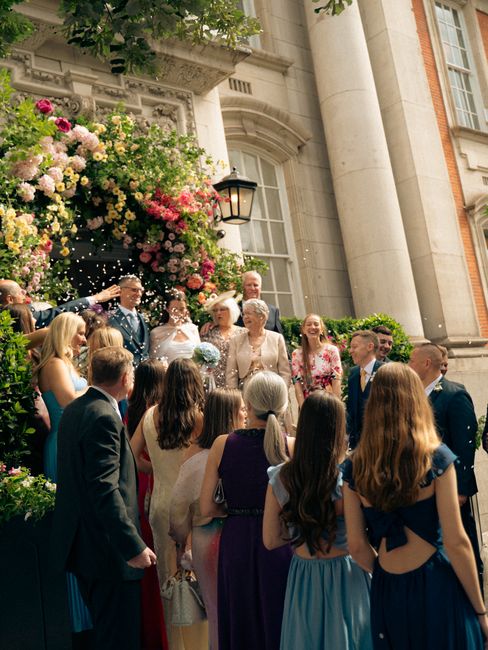
Pavilion Road wedding flowers that suit Chelsea townhouses
Planning Pavilion Road wedding flowers that suit Chelsea townhouses is really about one thing: making the flowers feel as if they belong there. Chelsea townhouses have their own quiet confidence - sash windows, painted railings, narrow halls, crisp cornices, maybe a little period charm that does not need shouting. So the flowers should not shout either. They should soften, flatter, and lift the space, not fight it.
Whether you are dressing a front door, creating a ceremony moment in a reception room, or setting a long dining table for an intimate wedding breakfast, the best arrangement usually feels calm, refined, and beautifully edited. In this guide, we will look at the styles, flower choices, colours, and practical details that work best for Pavilion Road and the surrounding Chelsea townhouse setting. You will also find a step-by-step process, common mistakes to avoid, and a checklist you can actually use. No fluff. Just the useful stuff, properly explained.
Why Pavilion Road wedding flowers that suit Chelsea townhouses Matters
Chelsea townhouses are lovely, but they are also demanding in a very subtle way. Their architecture can make bold, oversized displays look a touch out of place. On the other hand, flowers that are too sparse can disappear into the background. That balance is the whole game.
Flowers in this setting do more than decorate. They shape the mood as guests step inside. A few well-placed arrangements can make a hallway feel warmer, guide people through the home, and create a sense of occasion before anyone has even taken a seat. In real terms, this matters because townhouse weddings often have limited space, multiple rooms, and fairly tight circulation. The wrong design can clutter. The right one makes everything breathe.
There is also a stylistic point. Pavilion Road has a polished, village-like character within Chelsea, and that elegance tends to suit florals that are tailored rather than overworked. Think garden roses, ranunculus, sweet peas, tulips, orchids used sparingly, and textured foliage that frames rather than dominates. The aim is not to stage a flower show. It is to make a home feel like the best version of itself.
Expert summary: The best Chelsea townhouse wedding flowers are usually restrained in colour, generous in texture, and sized to the room. If the flowers feel easy rather than forced, you are probably on the right track.
How Pavilion Road wedding flowers that suit Chelsea townhouses Works
The process starts with the building, not the bouquet. That sounds obvious, but it is where many plans go sideways. A townhouse is a sequence of spaces: entrance, stairway, drawing room, dining room, maybe a courtyard or pavement-facing threshold. Each one has a different scale, different light, and different role in the day.
Here is how good floral planning usually works in practice:
- Assess the house - look at ceiling height, hallway width, natural light, and where guests will gather or pause.
- Choose the emotional tone - romantic, classic, fresh, understated, or a little modern with a clean edge.
- Match flowers to architecture - looser designs for softer rooms, tighter shapes for more formal interiors.
- Decide where impact matters most - front entrance, ceremony backdrop, mantelpiece, staircase, dining table, or powder room.
- Keep movement in mind - staff, guests, photographers, and family will all need to move through the space without bumping into arrangements.
That last point is easy to overlook. A towering arrangement may look stunning on a mood board, but if it blocks sightlines across a dinner table, it becomes annoying very quickly. And nobody wants to peer round a peony forest just to catch the best man speaking.
For many couples, a hybrid approach works best: one or two stronger focal arrangements, then smaller pieces to connect the rooms. This creates flow without overfilling the townhouse. If you are also arranging broader event logistics, the practical side of timed flower delivery in Chelsea can make a surprising difference on the day, especially when access windows are narrow and everyone is trying to get ready at once.
Key Benefits and Practical Advantages
Flowers that suit a Chelsea townhouse do a lot of work quietly. They are not just decorative. They help the whole day feel considered.
- They respect the space - townhouse rooms often reward elegance over scale.
- They improve photos - the right palette lifts interior tones, stonework, panelling, and table settings.
- They make guests feel at ease - well-placed flowers soften hard edges and create warmth.
- They support the flow of the event - smaller, strategic arrangements help guide people through the property.
- They can feel luxurious without being excessive - and that is very Chelsea, truth be told.
One practical benefit is flexibility. Townhouse weddings often evolve from ceremony to drinks to dinner without a change of venue. That means your flowers need to work in multiple roles. A ceremony arrangement might later become a fireplace display; table flowers might be moved to a sideboard for dancing. The more adaptable the design, the better value you usually get from it.
There is also a trust factor here. When flowers are sized appropriately, guests tend to notice the thoughtfulness rather than the budget. That is the sweet spot. You want people thinking, "this feels perfect," not "someone really went for it there."
Who This Is For and When It Makes Sense
This style of floral planning makes sense for couples who are marrying in or around a townhouse setting in Chelsea and want the flowers to feel bespoke, not generic. It is especially useful if your day is intimate, design-led, or centred on a private home, townhouse venue, or townhouse-style reception space.
It also suits people who care about proportion. If you love flowers but dislike overdone arrangements, you will probably appreciate this approach. Likewise, if you are working with a smaller guest list, the designs can be more detailed and expressive because the scale of the day allows it.
It may be less suitable if you want a dramatic, large-format floral installation as your main focal point. You can still have drama, of course. It just needs to be smarter drama. A staircase cascade, an overmantel arrangement, or a strong entrance feature may deliver that impact without making the townhouse feel crowded.
In our experience, this style is also ideal for couples who want a refined London look with a soft garden feel. That often means white, ivory, blush, pale apricot, dusty pink, champagne, and a little green. But let's not pretend that all Chelsea weddings need to be pale and safe. A deeper accent tone - burgundy, plum, or muted blue - can work beautifully if the room can carry it.
Step-by-Step Guidance
If you are trying to turn ideas into a real plan, the easiest way is to work room by room. That sounds almost too simple, but it helps keep choices grounded.
- Start with the property
Walk the route your guests will take. Entrance, hallway, staircase, main room, dining space. Notice where light hits at different times of day. A room that feels bright at noon can look very different at 5 p.m. - Decide the floral story
Do you want classic Chelsea romance, modern minimalism, or something relaxed and garden-inspired? Pick one clear direction first. If you try to combine too many moods, the result can become muddy. - Choose the core palette
Limit the palette to a few harmonising tones. For townhouse interiors, one dominant shade and one or two supporting tones usually looks more polished than a rainbow approach. Unless, perhaps, you are deliberately going bold. Fair enough. But do it knowingly. - Prioritise the focal moments
Put the largest or most detailed arrangements where they will be seen most: entrance, ceremony point, fireplace, staircase landing, or dining table centre. - Scale the flowers to the furniture
Long refectory tables need lower arrangements or grouped vessels. Smaller round tables can take a more sculptural centrepiece, provided guests can still talk across it. - Plan the working order
Timing matters. Some flowers can arrive earlier and sit comfortably; others are more delicate and need a tighter setup window. If the house is busy, keep mechanics and containers discreet. - Think about the afterlife of the flowers
Can the arrangements be moved from ceremony to dinner? Can bridesmaids' flowers become side-table decor? The best designs earn their keep twice.
A small but useful tip: if you are unsure about scale, ask for one arrangement to be built slightly under full height during planning, then adjusted upward only if the room genuinely needs it. It is easier to add presence than to take away excess. Flower design is not always forgiving, and nobody wants a giant piece that suddenly makes the ceiling look low.
Expert Tips for Better Results
Here are the decisions that usually separate a pleasant flower plan from a genuinely elegant one.
- Use texture, not just colour - garden roses, ranunculus, scabiosa, sweet peas, clematis, and soft foliage give depth without heaviness.
- Keep one unifying detail - perhaps the same vase finish, the same ribbon tone, or the same flower family repeated through the house.
- Mind the sightlines - people want to see one another, especially at dinner. Tall arrangements are lovely until they feel like a partition.
- Let the architecture breathe - Chelsea townhouses already have character. You do not need to cover every surface.
- Use the staircase carefully - a staircase is a natural focal point, but it can become cluttered fast if too many different florals compete there.
- Choose flowers that age well across the day - some blooms look glorious in the morning and a bit tired by late evening. Know what you are asking them to do.
One more thing: scent. Strongly scented flowers can be magical in small doses, but in a townhouse, especially with food nearby, too much perfume can become distracting. A hint of scent near the entrance or in a side room can be lovely. A full room of heavily scented blooms? Slightly much, to be fair.
If you want a more sustainable approach, ask for seasonal stems and reusable containers where possible. The site's sustainability approach may be worth reviewing if you are trying to keep the event considered as well as beautiful.
Common Mistakes to Avoid
Most flower regrets come from scale, timing, or trying to do too much. Here are the common traps.
- Ignoring the room size - big flowers in a small hallway can feel awkward, even if they are gorgeous.
- Using too many colours - a broad palette often looks less refined in period interiors.
- Blocking movement - if guests have to squeeze past arrangements, the design is in the wrong place.
- Forgetting light conditions - some rooms are dark, some are south-facing and bright. The same flowers will read differently in each.
- Under-planning the logistics - townhouse access, setup time, and storage space can all affect the final look.
- Choosing flowers only from inspiration images - what looks lush in a large country house may feel overwhelming in Chelsea.
There is also a subtle mistake people make when they want "luxury" but do not define it. Luxury in this setting is often restraint. Better stems. Better proportion. Better finishing. Not simply more of everything. In fact, too much can make the whole thing feel strangely less expensive. That is the funny little contradiction of floral design.
Tools, Resources and Recommendations
You do not need complicated tools, but you do need a clear working brief. If you are preparing for a consultation, gather the following:
- room photos taken in natural daylight
- approximate table sizes and hallway widths
- any furniture or artwork that must be left visible
- your preferred colour palette
- notes on scent sensitivity
- a rough timeline for arrival, ceremony, and dinner
It is also helpful to think about support services that affect the flower experience. If you need clarity on the buying process, the payment information can help set expectations early. For broader reassurance, the guarantees page is worth a look when you want to understand how service standards are handled. And if you are comparing what is available for different event needs, the main flower delivery service page is a useful starting point.
For couples planning beyond the wedding day itself, it can also help to keep the business side tidy. If you are arranging flowers for multiple properties, family businesses, or event venues, the corporate accounts information may be relevant. And if you simply want to understand the people behind the service, the about us page offers context about the company's approach.
Law, Compliance, Standards, or Best Practice
For wedding flowers, most of the relevant guidance is practical rather than legal, but good practice still matters. In the UK, venues and private homes generally need careful handling during installation, especially around access, insurance expectations, fragile surfaces, and fire safety awareness. That means working neatly, protecting floors where needed, and keeping pathways clear.
If the flowers are being installed in a townhouse, it is also sensible to be mindful of the building itself. Period interiors often have delicate plasterwork, polished floors, narrow stairs, and valuable furnishings. A professional approach should include clean mechanics, stable containers, and a setup plan that avoids unnecessary disturbance. No one wants petals on a polished floor before the bride has even arrived.
Best practice also includes honest communication about flower condition, seasonal variation, and substitutions. Some stems are simply not available or not at their best at certain times of year. A trustworthy florist should explain that clearly and suggest alternatives that preserve the overall look. That is normal, and frankly, a good sign.
If you are reviewing policies and operational details, it can be useful to read the company's terms and conditions and returns and refund information. For data handling, the privacy policy and cookie policy are the relevant reference points. If accessibility matters to your planning team or household, the accessibility statement may also be helpful.
Options, Methods, or Comparison Table
Different flower styles can all work in Chelsea, but they do different jobs. Here is a simple comparison to help narrow the choice.
| Style | Best for | Look and feel | Watch out for |
|---|---|---|---|
| Classic garden-style | Elegant townhouse rooms, romantic weddings | Soft, layered, natural, timeless | Can become too loose if not edited carefully |
| Modern refined | Minimal interiors, design-led couples | Structured, clean, architectural | Can feel cold if the palette is too spare |
| Heritage romantic | Period rooms, fireplaces, staircase moments | Fuller, more luxurious, traditional | Needs careful scaling in smaller spaces |
| Seasonal loose arrangement | Informal dinners, intimate celebrations | Fresh, relaxed, slightly undone in a good way | Needs strong vase choice so it does not look unfinished |
If you are undecided, a blended approach is often the safest route: classic flowers with modern restraint. That tends to sit beautifully in Chelsea townhouses because it respects the building while still feeling current.
Case Study or Real-World Example
Picture a wedding day starting on Pavilion Road with guests arriving in a townhouse near the buzz of Chelsea but stepping into a quieter, more intimate world. The couple wants the flowers to feel polished, not theatrical. The hallway is narrow, the drawing room has high ceilings, and the dining table is long and rectangular.
The floral plan uses three layers. First, a modest entrance arrangement with pale garden roses, white ranunculus, and light green foliage to welcome guests without crowding the doorway. Second, a fuller mantelpiece display in blush, ivory, and soft apricot, designed to give the room a warm focal point without overpowering the fireplace. Third, a series of lower table arrangements so guests can talk easily and the candles still read clearly in the evening light.
Nothing dramatic. But the result feels measured and expensive in that quietly confident way Chelsea interiors often reward. The house still looks like a house. The flowers simply bring the rooms to life. And when the candles are lit at dusk, the whole place softens in a way that photos can only partly capture. You can almost hear the room settle.
This is where good wedding flowers really earn their keep: not in one big "wow" moment, but across the entire rhythm of the day.
Practical Checklist
Use this checklist if you are finalising your floral brief for a townhouse wedding on or near Pavilion Road.
- Have I measured or at least visually assessed each room?
- Do the flowers suit the scale of the townhouse rather than just the mood board?
- Have I chosen a clear palette with no unnecessary extras?
- Are the tallest arrangements placed where they will not block views or movement?
- Can any arrangements be reused later in the day?
- Have I considered scent, light, and guest comfort?
- Are the stems likely to look good from arrival through dinner?
- Is there a plan for delivery timing and setup access?
- Do I understand the payment, guarantee, and policy details?
- Have I allowed enough time for any substitutions if seasonal flowers change?
One more practical line: if you feel torn between two ideas, choose the one that makes the space look calmer. Calm almost always photographs better, and it tends to age better through the day too.
Get a free quote today and see how much you can save.
Conclusion
The best Pavilion Road wedding flowers that suit Chelsea townhouses are the ones that understand the room. They are elegant without being stiff, generous without being crowded, and romantic without drifting into excess. That balance is what makes townhouse floristry feel so distinctive in Chelsea.
If you focus on proportion, palette, timing, and flow, the flowers will do more than decorate the day. They will support it. They will make the house feel warmer, the photographs feel richer, and the whole experience feel more considered. And that is usually what people remember, even if they do not quite say it out loud.
In the end, a townhouse wedding does not need louder flowers. It needs the right ones. That is the nice part, really. Once the pieces fit, everything else becomes easier.
Frequently Asked Questions
What flowers suit a Chelsea townhouse wedding best?
Garden roses, ranunculus, sweet peas, tulips, hydrangea used carefully, and soft foliage are all strong choices. They feel polished but not heavy, which suits period interiors very well.
Should wedding flowers in a townhouse be large or small?
Usually a mix works best. A few stronger focal arrangements can be balanced with smaller pieces elsewhere. The size should match the room, not just the occasion.
What colours work well for Pavilion Road wedding flowers?
Soft whites, ivory, blush, pale peach, muted pink, champagne, and gentle green tend to work beautifully. Deeper tones can work too if the room can handle them and the overall scheme stays controlled.
Can I use bold flowers in a Chelsea townhouse?
Yes, but carefully. Bold shades work best as accents rather than the entire palette. A townhouse usually looks best when the flowers feel edited rather than overpowering.
How do I stop flowers looking too busy indoors?
Limit the number of flower varieties, keep the palette tight, and think about the furniture and architecture around them. A busy room needs quieter flowers. A calmer room can take more detail.
Are scented flowers a good idea for townhouse weddings?
Sometimes. Gentle scent can be lovely near entrances or on side tables, but very strong fragrance can compete with food and conversation. Less is often more here.
Can wedding arrangements be moved from one room to another?
Yes, and that is often the smartest approach. Ceremony flowers can be reused at dinner or in reception areas if they are designed with movement in mind from the start.
How early should I arrange flowers for a Pavilion Road townhouse wedding?
As early as you can, especially if your date is in a busy season. This gives time to discuss scale, room layout, access, and any timing issues calmly rather than in a rush.
What should I ask before booking wedding flowers?
Ask about styling approach, delivery timing, setup process, substitutions, payment terms, and how the flowers will be handled if the weather or season changes. Clear answers are a good sign.
Do townhouse weddings need different flowers from larger venues?
Usually yes. Townhouses often need better proportion, more careful placement, and less visual noise. They reward thoughtful detail more than sheer volume.
How do I keep the flowers looking good throughout the day?
Choose durable stems, avoid overexposure to heat or direct sun where possible, and plan the installation timing carefully. Good conditioning and sensible placement matter more than people think.
Where can I learn more about flower care after delivery?
You can review the helpful guidance on flower care tips, which is useful if any arrangements need to last beyond the ceremony or be reused later in the day.
What is the simplest way to make Chelsea townhouse flowers look expensive?
Keep the design calm, use high-quality seasonal stems, and avoid overfilling the space. Expensive-looking flowers usually rely on proportion and restraint as much as on the blooms themselves.
If you want a wedding day that feels composed, warm, and quietly beautiful, start with the room, then let the flowers follow. That is where the magic usually is.