Kensington and Chelsea Council Fines for Flower Displays: What They Mean and How to Stay on the Right Side of the Rules
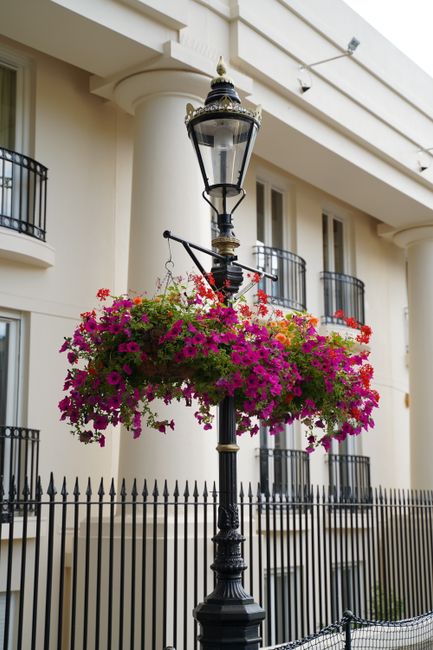
If you have ever set out a beautiful flower display outside a shop, cafe, townhouse, or event space in Chelsea, you will know the feeling: it can transform a frontage in minutes. But there is a serious side to it too. Kensington and Chelsea Council fines for flower displays can arise when outdoor arrangements, planters, hanging baskets, or temporary floral installations cross a line the council treats as a public nuisance, obstruction, licensing issue, or breach of local rules. That may sound blunt, but it is exactly why this topic matters.
This guide explains the practical meaning behind those fines, how enforcement often works, what usually causes problems, and how businesses and residents can reduce risk without losing the charm that flowers bring to a street. In plain English: you can still create something lovely, but you need to do it carefully. Let's face it, a display that looks effortless at 8am can become a headache by lunchtime if it blocks access or spills onto the pavement.
We will also cover the difference between decoration and obstruction, the kinds of mistakes people make, and the best way to prepare if you are arranging flowers in a busy part of Kensington and Chelsea. If you want a broader look at how a flower business presents itself online, you may also find the pages on who we are and sustainability commitments useful for context.
Table of Contents
- Why Kensington and Chelsea Council fines for flower displays Matter
- How Kensington and Chelsea Council fines for flower displays Works
- Key Benefits and Practical Advantages
- Who This Is For and When It Makes Sense
- Step-by-Step Guidance
- Expert Tips for Better Results
- Common Mistakes to Avoid
- Tools, Resources and Recommendations
- Law, Compliance, Standards, or Best Practice
- Options, Methods, or Comparison Table
- Case Study or Real-World Example
- Practical Checklist
- Conclusion
- Frequently Asked Questions
Why Kensington and Chelsea Council fines for flower displays Matters
The first thing to understand is that flower displays are not usually a problem because they are flowers. The issue is what the display does in the real world. A planter that narrows a pavement, a basket that drips onto a busy entrance, or a decorative setup that creates a trip hazard can trigger complaints quickly. In a place like Kensington and Chelsea, where streets can be narrow, footfall can be heavy, and access matters, even a modest display has to be thought through properly.
That is why fines matter. They are not just a financial sting. They can force a business or resident to remove a display, deal with formal warnings, and spend time correcting something that could have been planned better from the start. If you are running a florist, restaurant, hotel, boutique, gallery, or event venue, this is not a tiny detail. It is part of the operational picture.
There is also reputation to think about. A well-kept floral frontage can make a place feel welcoming and elegant. A display that looks untidy, overgrown, or non-compliant has the opposite effect. People notice. Councils notice. Neighbours definitely notice. And when a complaint lands, the conversation changes fast.
Expert summary: flower displays are usually safest when they are treated as a managed street feature, not just decoration. If they sit outside a business or onto public land, they need the same careful planning as signage, seating, or any other item that affects access.
How Kensington and Chelsea Council fines for flower displays Works
In practical terms, a council fine or enforcement action usually follows some combination of complaint, inspection, or visible non-compliance. A display may be reviewed if it appears to obstruct the highway, cause a nuisance, breach conditions on land use, or create a safety concern. The process can vary, but the logic is usually similar: identify the issue, ask for it to be resolved, and escalate if it is not.
For flower displays, the most common pressure points tend to be:
- encroachment onto the pavement or road edge
- obstruction for wheelchairs, pushchairs, or pedestrians
- poor stability in wind or bad weather
- water runoff creating slippery surfaces
- displays attached to buildings or street fixtures without permission
- untidy or overflowing arrangements that attract complaints
Sometimes a fine is not the first step. Sometimes it is a warning, a notice, or an instruction to alter or remove the display. But if the issue is repeated, ignored, or treated casually, penalties can follow. Truth be told, councils rarely enjoy spending time on flowers; they care about the consequences of the flowers.
It helps to think in terms of risk management. Ask yourself: would this display still be safe and orderly if it rained, if it got knocked by a delivery trolley, or if a queue formed beside it at peak time? If the answer is a nervous maybe, that is your sign to redesign it.
For retailers and hospitality businesses, operational planning matters too. A display that is beautiful but awkward to maintain can lead to repeated issues. If you are coordinating multiple orders or periodic arrangements, the page on corporate accounts may be useful when thinking about more structured flower supply and management.
Key Benefits and Practical Advantages
It may sound odd to talk about benefits in a fines article, but there are real advantages to understanding this properly. The biggest one is simple: you avoid unnecessary disruption. That means fewer complaints, fewer remedial costs, and far less stress when the council makes contact.
There are a few other practical gains worth pointing out:
- Better design decisions: you can choose arrangements that suit the space instead of fighting it.
- More consistent presentation: compliant displays tend to look cleaner and more deliberate.
- Lower maintenance burden: secure, appropriately sized installations are easier to keep tidy.
- Improved customer experience: customers feel welcome when the entrance is attractive and uncluttered.
- Reduced legal and financial risk: fewer surprises, fewer reactive fixes.
There is a softer benefit too. A thoughtful flower display can improve the feel of a whole street. You know the kind of moment: a grey afternoon, a bit of drizzle, then you turn a corner and there is a well-placed wash of colour in a window box or outside a frontage. It changes the mood. But only if the display is done with care.
If care and reliability are part of your decision-making, the site's guarantees page is worth a look for the wider service approach, while flower care guidance can help keep arrangements looking good once they are installed.
Who This Is For and When It Makes Sense
This topic is relevant to more people than you might expect. It is not only for florists. It matters for anyone who places flowers in, on, or near public-facing space in Kensington and Chelsea.
Typical readers include:
- independent florists creating storefront or event displays
- cafes and restaurants using floral arrangements outside or near entrances
- hotels, spas, and salons aiming for an elegant first impression
- retailers with window boxes or doorstep displays
- event organisers dressing a venue frontage
- property managers responsible for communal or shared entrances
- homeowners who place substantial floral arrangements on boundary edges or shared pavements
This also makes sense if you have already had a warning, received neighbour feedback, or noticed that your display is getting in the way on busy days. Sometimes people only start searching after a complaint, which is fair enough. Better late than never.
And if you are still in planning mode, that is actually the best time to read up. Preventing a problem is a lot easier than trying to unwind one after a notice has been issued.
Step-by-Step Guidance
Here is a practical way to approach flower displays so they look good and stay sensible. Nothing glamorous. Just solid, real-world steps.
- Assess the location carefully. Measure the space, note pedestrian flow, and look for narrow points, doors, steps, and high-traffic zones.
- Decide what the display is meant to do. Is it decorative, promotional, seasonal, or event-led? The purpose affects size and placement.
- Check whether it touches public land. If the arrangement extends into a pavement area or near the carriageway, take that seriously.
- Keep access clear. Make sure people using wheelchairs, prams, walking aids, or deliveries can move without weaving around it.
- Stabilise everything properly. Lightweight stands and poorly balanced urns can become a nuisance very quickly when the wind picks up.
- Plan for water and debris. Drips, petals, soil, and broken stems should not end up creating hazards.
- Review it at different times of day. Morning may look fine, but lunchtime queues or evening traffic can tell a different story.
- Document your setup. Keep a simple record of dimensions, placement, maintenance, and any permissions or approvals you have.
- Respond quickly if there is a complaint. Even where you disagree, a calm and prompt response usually helps more than a defensive one.
A slightly awkward truth: many flower display issues are not caused by the flowers themselves, but by the stand, the basket, the placement, or the lack of routine checks. The roses are innocent. The base frame, not always so much.
Expert Tips for Better Results
If you want a display that looks polished and avoids trouble, small decisions matter. A lot. In my experience, the best setups are the ones that seem almost invisible in how well they work.
Here are some practical tips that make a real difference:
- Choose scale over excess. A smaller, balanced display often looks more elegant than a sprawling one.
- Use weight wisely. Secure pots and stands so they cannot tip easily in wind or when brushed by passers-by.
- Keep the edge line clean. A display that respects the line of the building reads as intentional, not intrusive.
- Stick to a maintenance routine. Dead blooms, torn foliage, and overflowing containers make councils and neighbours nervous for good reason.
- Think about sightlines. People should still be able to see door handles, steps, and entry points clearly.
- Choose practical flowers. Some flowers look stunning for a day and then collapse under city conditions. Others are more resilient.
There is also a customer-service angle here. A neat floral arrangement can improve the sense of welcome before anyone has even stepped through the door. The smell, the colour, the soft movement of petals in a breeze-small stuff, but it adds up. Especially on a busy London street where people are moving quickly.
If you are ordering flowers for regular display work, it helps to use a dependable delivery process. The page on delivery is a sensible reference point for understanding how logistics support fresh, timely arrangements.
Common Mistakes to Avoid
Most enforcement headaches start with a few predictable errors. They are easy to make, which is why they are worth naming clearly.
- Blocking the footway. Even a display that only "slightly" narrows a route can become an issue in a crowded area.
- Assuming decorative equals allowed. Pretty does not automatically mean permitted. That is the trap, really.
- Ignoring weather. Wind, rain, and wet surfaces can change the risk profile overnight.
- Letting arrangements spread over time. A tidy setup in week one can become messy by week three.
- Failing to check landlord or building rules. Private property rules can be separate from council expectations.
- Using fragile fixings. If the display can wobble or detach, it will eventually do so.
- Leaving water where people walk. Slippery paving is a classic avoidable problem.
A lot of people also forget the human side. If a display makes it harder for a neighbour to bring in shopping, or a courier to make a safe stop, complaints may follow quickly. That is just how urban streets work. Tight spaces need extra care.
One more thing: if you are handling flowers for a commercial setting, check how payment, returns, and quality expectations are handled before you commit to repeat orders. Clear terms reduce a lot of awkward conversations later. The pages on payment and returns and refund can help set that expectation.
Tools, Resources and Recommendations
You do not need a giant toolkit to manage flower display compliance, but you do need a few sensible habits and simple tools.
Useful items and approaches include:
- Tape measure: helpful for checking width, depth, and clearance.
- Mobile photo record: take dated photos of the setup from different angles.
- Weighting materials: discreet weights can help prevent toppling.
- Maintenance checklist: a short daily or weekly routine is better than guesswork.
- Weather awareness: check conditions before installation, not after the arrangement starts leaning.
- Basic communication log: note any neighbour concerns, council contact, or adjustments made.
If you are choosing flowers with a longer display life, care guidance matters just as much as design. Freshness and presentation are connected. A display that survives well through the day is easier to keep within acceptable standards. That is one reason many businesses like having a structured supplier relationship rather than a last-minute scramble.
For a broader picture of the business behind the flowers, you may also want to review flower delivery options and the website's contact page if you need to ask about a specific arrangement or recurring setup.
Law, Compliance, Standards, or Best Practice
When people talk about fines for flower displays, they are usually talking about a mix of local enforcement, public highway concerns, and general duties to avoid nuisance or obstruction. The exact legal basis can vary depending on the situation, the location, and what the display actually does. So it is wise to be careful here rather than pretending there is one universal rule for every flower pot in west London.
In practice, the safest approach is to treat the public realm as shared space. If your flowers sit where the public walks, queues, or enters a building, then they need to be placed with the same discipline you would apply to any other street-facing feature. That means clear access, safe construction, and prompt maintenance.
Best practice usually includes:
- keeping pavements clear and usable
- avoiding sharp edges, unstable stands, or loose fixings
- preventing water from creating slip hazards
- maintaining tidy appearance and removing damaged stock quickly
- checking whether permissions or building consent are needed where the display is attached or semi-permanent
It is also sensible to understand the difference between a temporary floral arrangement and a more fixed installation. Temporary is not a magic word. If it stays up for a while, it may be treated as more than temporary in the eyes of neighbours or enforcement officers. Slightly annoying, yes. But real.
For customers or businesses that care about responsible sourcing and operational standards, broader company policies can matter too. Pages such as modern slavery statement and sustainability show how a business thinks about supply and accountability beyond the arrangement itself.
Options, Methods, or Comparison Table
If you are deciding how to set up a floral frontage, it helps to compare the common approaches. Different methods carry different levels of risk, maintenance, and visual impact.
| Approach | Visual impact | Risk of complaints | Maintenance level | Best use case |
|---|---|---|---|---|
| Window-facing indoor display | High, if visible from street | Low | Low to moderate | Shops, cafes, receptions |
| Wall-mounted baskets | High | Moderate | Moderate | Frontages with enough clearance and secure fixing |
| Freestanding pavement planters | Very high | Higher | Moderate to high | Only where space is clearly sufficient and placement is carefully managed |
| Temporary event florals | High | Moderate | High during setup and removal | Launches, weddings, hospitality events |
The table is not a rulebook. It is a decision aid. In a tight street, an indoor display may be the smartest choice even if a pavement planter looks more dramatic. And to be fair, drama is overrated when a complaint letter could be on the way.
Case Study or Real-World Example
Imagine a small Chelsea cafe with a lovely corner frontage. The owner wants to make the entrance feel more inviting in spring, so they place two generous planters beside the door and a line of smaller pots along the pavement edge. It looks charming at first. Customers comment on it. A few photos get taken. Then the lunch rush starts.
Delivery riders now have to angle around the planters. A parent with a pushchair pauses, then steps into a busier part of the pavement. After rain, water drips from the plants onto the stone, and the area stays damp. A neighbour complains that the route is tighter than before. Nothing dramatic on its own, but enough to raise attention.
The sensible response is not to panic. It is to reduce the display footprint, move the planters closer to the wall, improve drainage trays, and keep one clear route through the frontage. The cafe keeps the floral feel, loses the pressure points, and avoids further attention. Simple, really, though it often takes a complaint to sharpen the picture.
The lesson is that beautiful and compliant are not opposites. They just need planning. A display that respects movement, weather, and daily use can work very well. That is the sweet spot.
Practical Checklist
Use this quick checklist before installing or updating a flower display in Kensington and Chelsea.
- Have I measured the space properly?
- Does the display leave enough room for pedestrians, wheelchairs, and pushchairs?
- Is anything unstable, top-heavy, or likely to blow over?
- Will water drip or pool where people walk?
- Is the display attached to a wall, railing, or fixture that may need permission?
- Can the display be removed quickly if needed?
- Have I checked neighbour, landlord, or building rules?
- Will the flowers still look tidy after a full day of use?
- Do I have a plan for maintenance, deadheading, and cleanup?
- Have I saved photos and notes of the arrangement in case I need to explain it later?
If you can answer yes to most of those questions, you are probably in a much safer place. If not, pause and adjust. A little restraint now can save a lot of hassle later.
Conclusion
Kensington and Chelsea Council fines for flower displays are really about balance: beauty on one side, access and safety on the other. When a display stays tidy, secure, and respectful of shared space, it can add genuine value to a frontage. When it spills over that line, the problems tend to arrive faster than people expect.
The good news is that most issues are preventable. Measure carefully, keep routes clear, think about weather and maintenance, and treat flower displays as part of your wider responsibility to the street. That mindset makes everything easier. And honestly, it usually makes the flowers look better too.
Get a free quote today and see how much you can save.
For businesses and residents alike, the best outcome is simple: a display that lifts the mood without creating friction. That is the kind of detail that quietly improves a day, and those small good things matter more than we admit.
Frequently Asked Questions
Can Kensington and Chelsea Council fine me just for having flowers outside?
Not just for having flowers, no. The concern is usually whether the display causes obstruction, nuisance, or a safety issue. A well-placed arrangement may be fine, while a display that narrows a pavement or creates a hazard may attract enforcement.
What kinds of flower displays are most likely to cause problems?
Freestanding planters on pavements, unstable installations, wall fixtures with poor clearance, and displays that drip water or shed petals into walkways are common trouble spots. Anything that feels a bit cramped is worth reviewing twice.
Do I need permission for a floral display outside my business?
Sometimes you may need permission or approval, especially if the display touches public land, attaches to a building, or becomes semi-permanent. The exact requirement depends on the setup and location, so it is best not to assume.
How can I tell if my display is too close to the pavement edge?
Measure the usable walking space after the display is in place. If people have to slow down, step around it, or bunch together in narrow conditions, that is a warning sign. If it feels tight to you, it will feel tighter at busy times.
Are temporary displays treated differently from permanent ones?
They can be, but temporary does not automatically mean exempt. If a display stays up long enough or creates the same access issues as a fixed installation, it can still be challenged. Temporary setups need the same care.
What should I do if the council contacts me about my flower display?
Stay calm, check the issue carefully, and respond promptly. In many cases, a fast adjustment is better than arguing over something small. Keep notes, take photos, and make changes if needed while you clarify the position.
Can flower displays affect delivery access or customer flow?
Yes, and that is one of the easiest problems to overlook. A display may look fine to the owner but still interfere with deliveries, prams, or queues. Good design should work in real life, not just in the morning when the street is empty.
How often should I check an outdoor floral arrangement?
Daily checks are sensible for commercial frontages, especially in busy areas. Weather, foot traffic, and watering can all change the look and safety of the setup quickly. A quick look each day is usually enough to catch issues early.
Does water runoff from flowers really matter?
Yes. Wet pavement can become slippery, and dripping planters can create complaints even when the display itself looks attractive. Drainage trays, careful watering, and placement all help reduce the risk.
What is the safest option if I want flowers but little risk of fines?
An indoor or window-facing display is often the lowest-risk choice because it adds colour without occupying shared pavement space. If you do want something outside, keep it compact, stable, and clearly clear of foot traffic.
Where can I find more practical support for ordering and maintaining flowers?
Helpful starting points include the site's pages on flower care, delivery, and contact us. Those pages can support the wider practical side of getting flowers delivered, managed, and kept in good condition.
Why do some flower displays get complaints even if they look neat?
Because appearance is only part of the picture. A display can look tidy and still be awkward, narrow, unstable, or poorly placed. Councils and neighbours are usually reacting to use and access, not just style.