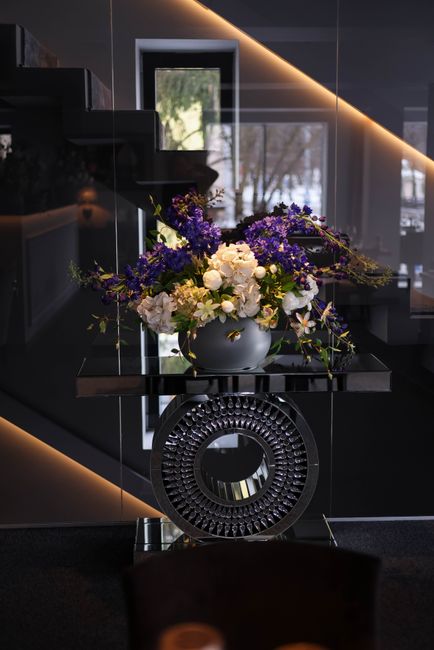
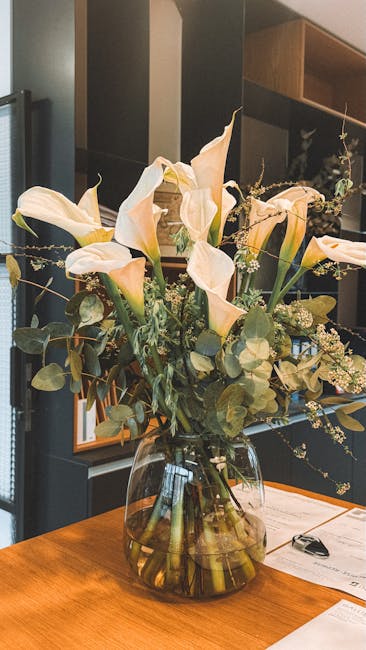
Best-value corporate flower service for Chelsea offices
If you manage an office in Chelsea, you already know the small details matter. A fresh vase at reception, well-chosen desk flowers, or a polished arrangement in a meeting room can change the feel of the whole workplace. The trick is finding a Best-value corporate flower service for Chelsea offices that looks premium without eating into the monthly budget. Not cheap, not fussy, just consistently good value.
That is harder than it sounds. Chelsea offices have different needs from a home delivery or a one-off event: regular schedules, a smart presentation, reliable timing, and a supplier who understands local delivery conditions around Kings Road, Sloane Square, and the quieter side streets where access can be awkward at peak times. In this guide, we'll walk through how corporate flower services work, what "best value" really means, and how to choose a setup that feels effortless for your team. A bit of practical thinking goes a long way here.
You'll also find a comparison table, a step-by-step buying guide, a checklist, and a few common mistakes to avoid. If you're trying to make the office feel more welcoming without overcomplicating procurement, you're in the right place.
Table of Contents
- Why Best-value corporate flower service for Chelsea offices Matters
- How Best-value corporate flower service for Chelsea offices Works
- Key Benefits and Practical Advantages
- Who This Is For and When It Makes Sense
- Step-by-Step Guidance
- Expert Tips for Better Results
- Common Mistakes to Avoid
- Tools, Resources and Recommendations
- Law, Compliance, Standards, or Best Practice
- Options, Methods, or Comparison Table
- Case Study or Real-World Example
- Practical Checklist
- Conclusion
- Frequently Asked Questions
Why Best-value corporate flower service for Chelsea offices Matters
Office flowers are often treated as a nice-to-have, but in a busy workplace they do more than decorate a room. They help set the tone when clients walk in, soften a reception area that might otherwise feel too hard-edged, and make staff spaces feel considered rather than temporary. In a neighbourhood like Chelsea, where many offices sit in professional, design-conscious, or client-facing settings, presentation matters a lot.
But best value is not the same as lowest price. That's a mistake people make all the time. A very cheap arrangement that arrives late, looks tired by Thursday, or clashes with the space is not really good value at all. The smarter approach is to think in terms of cost per week, reliability, appearance, and service quality. You want flowers that keep the office looking cared for without requiring constant hand-holding.
There's also a practical side. Offices need predictable delivery windows, consistent vase sizes, and arrangements that survive indoor heating, air conditioning, and the occasional meeting room draft. If you've ever watched a lovely bouquet collapse by midweek, you'll know exactly why a structured corporate service is worth considering. Truth be told, the "set it and forget it" model is often the most efficient.
For Chelsea offices specifically, local delivery knowledge matters too. Traffic around main roads can be awkward, loading can be time-sensitive, and some office buildings have narrow access points or strict concierge procedures. A supplier that understands these realities will save you a lot of little frustrations. And those little frustrations? They add up fast.
How Best-value corporate flower service for Chelsea offices Works
A corporate flower service is usually a recurring arrangement rather than a one-off order. The supplier learns your office layout, preferred style, frequency, and budget, then provides deliveries on a schedule that suits you. Some offices choose weekly refreshes. Others prefer every two weeks, with occasional seasonal changes or event extras.
In practice, the process usually looks like this:
- Initial brief: You share the office size, number of reception areas, desk zones, meeting rooms, colour preferences, and budget range.
- Style matching: The florist suggests tones, flower types, and vase styles that suit your workspace. A law firm's reception often calls for something calmer and more structured than a creative studio, for example.
- Delivery planning: You agree on frequency, timing, building access, and any concierge instructions.
- Installation: Flowers are delivered, placed, or swapped depending on the service level.
- Review and adjust: You refine the style, stem count, or schedule if the first few deliveries need tweaking.
The better services are flexible rather than rigid. Maybe your office gets busier before client meetings, or maybe Fridays are quieter and you want deliveries early in the week. Maybe a certain corner gets less light and needs hardier flowers. These are small details, but they're the difference between a service that just turns up and a service that genuinely fits.
Many offices also mix flowers with a broader hospitality or workspace presentation plan. If your team is already thinking about visitor experience, it can help to see flowers as one part of the whole atmosphere. For that broader approach, some companies also explore corporate accounts so ordering, invoicing, and recurring scheduling are easier to manage.
Key Benefits and Practical Advantages
Why do offices keep coming back to flowers? Because the benefits are immediate and visible. You don't need a complicated report to notice a calmer reception, a more welcoming meeting room, or that subtle sense that someone cares about the space.
- Better first impressions: Clients and visitors notice freshness straight away.
- Improved ambience: Flowers soften hard surfaces and add warmth to modern office interiors.
- Low administrative effort: A regular service reduces the need for ad hoc ordering.
- Seasonal variety: Good florists can change the look through the year without making it feel random.
- Budget control: A planned schedule is easier to manage than repeated one-off purchases.
- Staff morale: It's a small thing, but people do notice when a workplace feels cared for.
There's a subtle but important benefit too: flowers can help a Chelsea office look polished without appearing overdesigned. That matters in a district where many businesses want to convey quality, taste, and calm confidence, not flashiness. You want elegant, not theatrical. Unless it's the launch party, of course.
Another plus is flexibility. A good supplier can usually adapt arrangements to suit business rhythms: more dramatic pieces for client-facing events, understated arrangements for daily reception use, and seasonal adjustments when you want something a little fresher or more mood-lifting. If your office style changes with the seasons, a supplier with a wider flower range is often worth the slightly higher line item.
Who This Is For and When It Makes Sense
This service makes sense for a wide range of businesses, but especially those that need to project professionalism without spending hours managing the details.
You may be a good fit if you are:
- A property, finance, law, or consultancy office with regular client visits
- A small business that wants reception flowers without hiring in-house admin for it
- A creative studio or showroom that wants the space to feel more alive
- A clinic, wellness practice, or concierge-style business where atmosphere matters
- A coworking space or managed office that needs recurring presentation standards
It also makes sense if your current arrangement is a bit piecemeal. Maybe a team member keeps remembering to buy flowers "when they get a chance", which is usually code for "not often enough". Or perhaps you are ordering last-minute arrangements for meetings and paying more than you should. A structured corporate service tends to remove that kind of drift.
There are a few moments when it becomes especially worthwhile:
- When the office has a front-of-house area that clients see first
- When your internal team spends too much time chasing one-off orders
- When presentation standards are slipping between deliveries
- When you want better budgeting for recurring office services
- When seasonal or event-led changes matter to your brand image
Not every office needs large arrangements. Some of the best setups are modest, carefully placed, and refreshed regularly. A single well-chosen vase can do more for a room than three crowded bouquets. Sometimes less is better. That's not fancy advice, just the truth.
Step-by-Step Guidance
If you're evaluating a supplier, a sensible process keeps everything simpler. Here's a practical way to approach it.
1. Work out where the flowers will be seen
Start with the spaces that matter most. Reception? Meeting rooms? Breakout areas? Executive offices? A service that looks perfect on paper may be wrong for your actual layout. Natural light, airflow, and table size all affect what works well.
2. Set a realistic budget
Best value starts with a budget that matches the outcome you want. A small weekly spend can still look elegant if the arrangements are right. Don't just ask, "What's the cheapest option?" Ask, "What do we need the flowers to achieve, and how often?"
3. Decide how often you need replacements
Weekly is common for high-traffic offices. Fortnightly can work for quieter spaces or more durable designs. The right answer depends on temperature, vase type, and how much visual impact you want to maintain. A florist should be honest if your chosen flowers are unlikely to look fresh for as long as you need.
4. Ask about delivery and access
In Chelsea, local delivery detail matters more than people sometimes expect. Ask how the florist handles timed arrivals, concierge handovers, parking restrictions, and building access. If a supplier has to guess their way around the area, delays become more likely. And nobody wants a gorgeous arrangement arriving after the morning meeting.
5. Review flower types, vase options, and longevity
Some flowers are naturally more resilient than others. Mixed seasonal designs can look beautiful, but you may want sturdier stems for a hot reception or a sunlit window area. The best suppliers will explain which stems suit your environment rather than pushing the same formula every time.
6. Agree on invoicing and account management
For offices, admin ease matters as much as the flowers themselves. Monthly invoicing, named contacts, and clear service notes reduce confusion. If your procurement team wants a cleaner process, explore a supplier that offers a proper account structure. That's where a service starts to feel genuinely efficient.
7. Test and refine
Give the arrangement a few cycles before judging it. Small adjustments are normal. Maybe the vase is too tall, maybe the colour palette needs softening, or maybe the reception desk needs a more compact shape. You will notice the right supplier makes these changes without making it a drama.
Expert Tips for Better Results
After looking at a lot of office setups, a few patterns stand out. The best-looking corporate flower schemes are rarely the most complicated ones. They're usually the most considered.
Keep the palette aligned with the room. Neutral interiors often suit soft whites, greens, blush tones, or restrained seasonal colour. Bold flowers can work too, but only if the space can handle them. If the room is already visually busy, calmer arrangements usually win.
Choose flowers with stamina, not just beauty. A flower that looks incredible on day one but fades quickly can be a false economy. Ask what will still look good on day four. That's often the real test.
Use one strong focal point instead of too many small ones. In reception areas, one well-proportioned arrangement often feels more confident than multiple tiny displays that look accidental.
Think about scent carefully. Strong fragrance can be lovely, but in enclosed offices it may compete with meetings, food, or sensitivity issues. Subtle is safer for shared workspaces.
Ask for seasonal flexibility. This keeps the office looking fresh without needing a full redesign every month. A little seasonal variation can quietly refresh the mood.
Expert summary: The most cost-effective office flower service is usually the one that balances durability, delivery reliability, and a style that suits the room. Good value is not about the biggest bouquet. It's about the right bouquet, delivered consistently, with very little fuss.
If you want to make decisions faster, it can help to create a simple internal brief: reception size, colour preferences, any allergies or scent concerns, preferred delivery day, and a rough monthly budget. That way, everyone is singing from the same hymn sheet. Not glamorous, but useful.
Common Mistakes to Avoid
Most problems with office flower services come from assumptions, not bad intent. The good news is that they're easy to avoid once you know what to watch for.
- Chasing price alone: The cheapest quote can become expensive if flowers fade early or deliveries need fixing.
- Ignoring building access: If reception procedures are strict, tell the florist in advance.
- Ordering oversized arrangements: Big is not always better. Some desks and reception counters simply can't handle them.
- Choosing fragile flowers for harsh conditions: Heat, draughts, and low light all matter.
- Skipping the trial period: One delivery is not enough to judge a recurring service.
- Not naming a decision-maker: Multiple opinions can slow everything down if nobody owns the final call.
- Overlooking maintenance: Even the best flowers need care guidance and occasional water top-ups.
A small but common issue is colour mismatch. A bouquet can be beautiful on its own and still look wrong against your branding, wall colour, or furniture. I've seen this more than once. Someone falls in love with a stem online, then it lands in a slate-grey office and suddenly feels out of place. It happens. The fix is to ask for room-aware suggestions, not just pretty flowers.
Another trap is assuming all office flowers should look "luxurious". Sometimes restrained, neat, and fresh looks more expensive than a grand display that's trying too hard. Subtle can be powerful.
Tools, Resources and Recommendations
You do not need complex software to manage office flowers, but a few simple tools and documents can make life easier.
- A recurring calendar reminder: Useful for review dates, changes in office hours, or upcoming events.
- A short supplier brief: Include budget, style, number of spaces, and access notes.
- A photo reference folder: Very handy if you want to show what "right" looks like for your space.
- A contact list for reception or building management: Useful when deliveries need a quick handover.
- A simple service log: Track what worked, what wilted early, and which colours suited the office best.
For readers comparing service features, these website pages are useful starting points: flower delivery options for understanding service logistics, delivery and quality guarantees for reassurance on service standards, and flower care guidance if your team wants the arrangements to last as long as possible.
If sustainability is part of your procurement policy, you may also want to review the supplier's approach to sourcing and packaging via sustainability information. That's especially useful if your business has environmental goals or simply prefers lower-waste options.
One more practical note: when comparing suppliers, pay attention to how clearly they explain replacement schedules, what happens if a delivery is missed, and how they handle special instructions. A smooth process is usually a sign of a well-run service. A vague one? Less encouraging.
Law, Compliance, Standards, or Best Practice
Office flowers are not usually a highly regulated purchase, but there are still sensible standards and best practices to keep in mind. For workplace settings in the UK, the main considerations are practical rather than legalistic: safe access, clear delivery arrangements, and avoiding anything that creates obstruction or unnecessary risk in reception or communal areas.
If flowers are placed in shared spaces, they should not block exits, trip routes, or desks in a way that affects day-to-day movement. That sounds obvious, but small things get missed when a display is especially attractive. Also, if your staff or visitors have fragrance sensitivities, it is wise to choose lighter-scented arrangements and avoid overly strong options in enclosed rooms.
From a procurement point of view, many offices also expect clear terms on payment, cancellation, replacements, and delivery windows. If a business is setting up an account, it is sensible to review the supplier's terms and conditions, payment information, and returns and refund policy. Those pages help reduce misunderstandings later on.
For organisations that want a broader trust check, the supplier's about us, privacy policy, and accessibility statement can also be useful. It's not just box-ticking; it tells you how the business thinks about customer care and admin clarity.
Best practice, in plain English, is simple: make sure the flowers are safe, the service is clear, the delivery process is reliable, and the arrangements match the environment they're going into. Nothing fancy. Just good operations.
Options, Methods, or Comparison Table
There's more than one way to handle office flowers. The best option depends on how visible the flowers are, how often you want to refresh them, and how much admin you want to take on.
| Option | Best for | Pros | Trade-offs |
|---|---|---|---|
| Weekly corporate flower service | Busy receptions, client-facing offices | Always fresh, polished appearance, low admin | Higher recurring cost than occasional orders |
| Fortnightly service | Quieter offices or smaller spaces | Good balance of freshness and budget | May need sturdier flowers or simpler designs |
| One-off seasonal orders | Events, launches, short-term use | Flexible, useful for occasional impact | Less consistent, more effort to manage |
| Mixed service with event add-ons | Offices with regular meetings and occasional functions | Practical and adaptable | Needs clearer planning and budget control |
For most Chelsea offices, weekly or fortnightly service tends to make the most sense. Weekly gives the most polished result. Fortnightly can still work very well if the flowers are selected carefully and the environment is not too hot or dry. If you're only using flowers for special occasions, a one-off ordering method is fine, but it rarely gives the same sense of continuity.
There's also a style decision to make. Do you want one signature look that stays broadly consistent, or a more varied seasonal approach? Consistency feels calm and professional. Seasonal variation feels lively and responsive. Neither is wrong. It just depends on the office personality.
Case Study or Real-World Example
Consider a Chelsea consultancy with a compact reception, two meeting rooms, and a staff breakout area. The team wanted a more welcoming space but did not want to commit to large arrangements that would dominate the reception desk. They also had a recurring issue with flowers arriving too late in the day, which made the office look a bit tired by midweek. Not ideal, honestly.
The solution was a restrained weekly corporate flower plan: one medium reception arrangement, smaller vase displays for the meeting rooms, and a simple palette that worked with the office's neutral interiors. The supplier agreed a delivery window that suited the building's access rules and kept the arrangements compact enough to avoid crowding the desk.
What changed? The office looked more considered immediately, but the bigger win was operational. Staff stopped spending time on one-off orders. The reception stayed consistent. And because the arrangements were designed to suit the room, not just to look impressive in a catalogue, they lasted better across the week. That's the bit people often miss.
The office did not need extravagant flowers. It needed reliability, scale, and a style that felt right for the building. Simple, really. But simple done well is a skill.
If your own office has a similar layout, this is a good reminder that best value usually comes from matching the service to the actual space. Not the fantasy version. The real one, with its awkward door widths and that one meeting room that always gets too warm after lunch.
Practical Checklist
Before you commit to a provider, run through this checklist. It saves time and helps you compare suppliers on more than just price.
- Office areas identified: reception, meeting rooms, breakout spaces, executive offices
- Budget confirmed: weekly, fortnightly, or project-based
- Delivery window agreed: suitable for building access and staff schedules
- Style preference noted: modern, classic, soft seasonal, minimal, or bold
- Flower longevity considered: suitable for the room temperature and light level
- Scent sensitivity reviewed: especially important for shared offices
- Account and invoicing setup clarified: monthly or per-order
- Replacement policy understood: what happens if a delivery issue occurs
- Care instructions shared: who tops up water and when
- Supplier trust pages reviewed: policies, guarantees, and company background
If you can tick most of these confidently, you are probably close to a good fit. If several are still fuzzy, that's not a disaster. It just means you need more detail before the first order goes in. Better to pause than to rush and regret it later.
Conclusion
The best-value corporate flower service for Chelsea offices is not the one with the flashiest arrangements or the lowest headline price. It's the one that keeps your office looking smart, arrives on time, fits the space, and saves your team from unnecessary admin. That blend of presentation and practicality is what makes the difference.
In Chelsea, where client perception and workplace quality both matter, flowers can quietly do a lot of work. They lift the room, signal care, and create a more composed atmosphere for everyone who walks through the door. And if the service is set up properly, you barely have to think about it. That is the real win.
Choose a supplier who understands your office rhythm, your building access, and the kind of impression you want to make. Keep the brief clear, start with a sensible frequency, and review the results after a few deliveries. Small adjustments make a big difference. They really do.
Get a free quote today and see how much you can save.
When the office feels calmer and more welcoming, the whole week tends to run a little better. Funny how that works.
Frequently Asked Questions
What does a corporate flower service for Chelsea offices usually include?
It usually includes regular delivery of fresh arrangements, style planning, vase selection, and an agreed schedule for replacements or refreshes. Some suppliers also offer account management and event add-ons.
How often should office flowers be changed?
Weekly is common for busy client-facing offices. Fortnightly can work for smaller or lower-traffic spaces if the flowers are selected carefully. The right answer depends on the room, temperature, and how polished you want the office to look.
Is a weekly flower service worth it for a small office?
Yes, if the reception or meeting area is visible to clients and staff. A small, well-chosen arrangement can have a strong effect without being expensive. The key is choosing the right scale, not automatically going bigger.
How do I know if I'm getting good value rather than just a low price?
Look at reliability, longevity, style fit, and admin simplicity as well as cost. If flowers arrive late, fade quickly, or need constant chasing, the service is not good value even if it seems cheap at first.
Do Chelsea offices need special delivery planning?
Usually yes. Local traffic, loading restrictions, and building access can affect timing. A supplier with experience in the area will know how to plan around those issues and avoid unnecessary delays.
What flowers work best in office environments?
Durable, long-lasting flowers and structured greenery often work well. The best choice depends on the office temperature, light levels, and whether you want a subtle or more decorative look.
Can office flowers be chosen to match branding?
Absolutely. Colour palettes can often be aligned with brand colours or interior design. A good florist will adapt the arrangement so it feels on-brand without looking forced.
What if someone in the office is sensitive to fragrance?
Then it is wise to choose low-scent or lightly scented arrangements. In shared offices, subtle fragrance is usually safer than strong perfume from heavily scented blooms.
Are there sustainability options for corporate flowers?
Yes. Some suppliers use seasonal flowers, lower-waste packaging, and more considered sourcing. If sustainability matters to your business, ask for a clear explanation of how the service works.
What should I ask before signing up for a flower account?
Ask about delivery windows, replacement policy, payment terms, account support, and how style changes are handled. It's also sensible to review the supplier's terms, privacy details, and guarantees before starting.
Can a corporate flower service help with special events too?
Yes, many can. A recurring office plan can often be paired with event flowers for meetings, launches, or seasonal celebrations, which keeps the overall look consistent.
How quickly can a corporate flower service start?
That depends on the supplier and the level of customisation needed. Straightforward arrangements may start quickly, while more tailored office setups can take a little longer to plan properly.