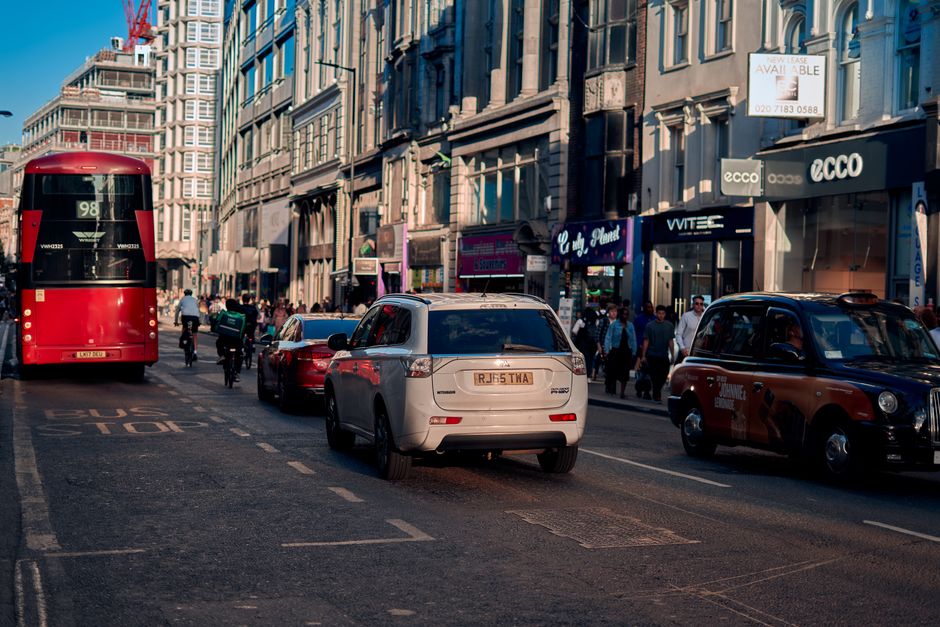
Avoid Delivery Delays on King's Road: Chelsea Traffic Tips
King's Road can be brilliant for deliveries and awkward at the same time. It is busy, stylish, narrow in places, and often moving at the pace of a weekday queue outside a cafe. If you are trying to avoid delivery delays on King's Road in Chelsea, the difference between a smooth drop-off and a frustrating late arrival often comes down to timing, access planning, and a realistic read on local traffic.
This guide breaks down the practical side of Chelsea deliveries: what typically slows vehicles down, how to plan around it, and which small decisions make the biggest difference. Whether you are a driver, dispatcher, business owner, or someone arranging a one-off delivery, the goal is simple: fewer surprises, less waiting, and a better chance of arriving when expected. Truth be told, on roads like this, a little planning goes a long way.
Below, you will find route advice, timing strategies, a comparison of delivery approaches, a checklist, and answers to common questions. Nothing fluffy. Just usable guidance that helps you get in, drop off, and get out again without the day turning into a small logistical drama.
Why Avoid Delivery Delays on King's Road: Chelsea Traffic Tips Matters
King's Road is one of those London streets where the environment itself creates friction. You have mixed traffic, frequent stopping and starting, shoppers stepping off pavements, taxis pulling in, buses edging through, and the constant background reality of West London congestion. Add a delivery vehicle trying to find a legal stopping point, and suddenly five minutes can become fifteen.
That matters because delivery delays do not just affect arrival time. They can ripple through a whole day. A late drop-off may mean a driver misses a booking window, a customer waits longer than promised, a business staff member stands around instead of receiving stock, or a fragile item sits in the vehicle longer than it should. Not ideal.
In Chelsea, where road space is at a premium and on-street activity is constant, a delivery plan needs to do more than "follow sat nav". It needs to account for local conditions: peak movement, loading access, side streets, customer access points, and the simple fact that roads can feel much slower in real life than they look on a map.
Expert summary: If you want fewer delays on King's Road, think in layers: route choice, arrival time, parking or loading plan, and a fallback if the first option is blocked. The win is rarely one big trick. It is usually several small decisions made early.
How Avoid Delivery Delays on King's Road: Chelsea Traffic Tips Works
The idea behind avoiding delivery delays is straightforward: reduce the number of unknowns before the vehicle reaches Chelsea. In practice, that means anticipating bottlenecks rather than reacting to them. The more you can predict, the less likely the delivery is to stall at the worst possible moment.
A good local delivery plan usually follows the same pattern:
- Pre-check the route. Look beyond the main road and identify where the vehicle will actually stop, turn, or unload.
- Choose a sensible time window. Avoid the periods when through traffic, school runs, shopping activity, and service vehicles all compete for space.
- Match the vehicle to the job. A large van, a small panel van, and a car do not face the same access issues.
- Confirm the unloading point. This is where many delays begin. If nobody has thought about the exact drop-off spot, the driver is left guessing.
- Build in a buffer. Chelsea traffic does not always behave itself. A small cushion helps absorb the inevitable slowdowns.
For anyone running repeat deliveries, the process works even better when you learn the pattern of the route. One week at midday may feel fine, then the next week the same section crawls because of a temporary obstruction, a collection point, or a burst of general traffic. You do not need to predict everything. You just need to stop assuming the road will be kind to you.
If your business relies on local collections or deliveries across West and Central London, it can help to think in terms of systems rather than single trips. Some operators also review wider service options, such as their commercial removals support or furniture removals approach, because the same planning discipline applies whether you are moving stock, office items, or bulky household pieces.
Key Benefits and Practical Advantages
When you actively plan to avoid delivery delays on King's Road, the benefits are immediate and pretty obvious, but they are worth spelling out because they stack up fast.
- More reliable arrival times. Better planning reduces the chance of turning up late and having to call the customer with that awkward update.
- Lower waiting time. Waiting is expensive. Even small delays can disrupt the rest of a route.
- Less stress for drivers. A driver who knows where they are going and where they can stop is usually a calmer, safer driver.
- Fewer failed handovers. Deliveries are easier when the recipient has been given a realistic window and clear instructions.
- Better vehicle utilisation. If one job runs smoothly, the next one is more likely to stay on schedule too.
- Improved customer confidence. People remember a delivery that arrives when promised. Funny how that works.
There is also a less obvious advantage: better communication. Once a team understands the local traffic pattern, they stop writing "leave by 9" as if that alone will solve it. Instead, they begin to ask smarter questions. Where exactly is the unloading point? Is there time for a short wait? Is this vehicle suitable? Do we need a second person?
That shift in thinking tends to separate smooth operators from the ones who are forever firefighting.
Who This Is For and When It Makes Sense
This guidance is useful for anyone who needs dependable access around King's Road, but it is especially relevant if you are one of the following:
- Local businesses receiving stock, supplies, or equipment deliveries.
- Drivers and couriers who need to complete timed drops with minimal idle time.
- Office managers organising furniture, IT equipment, or facilities deliveries.
- Retail operators arranging restocks during opening hours.
- Residents expecting bulky items, moving services, or scheduled arrivals.
- Project teams coordinating trades, fit-outs, or event-related deliveries.
It makes most sense when timing matters and the delivery vehicle cannot simply "find somewhere nearby". On quieter roads, a missed turn or a short wait is inconvenient. On King's Road, it can set off a chain of delays that is hard to recover from. If you have ever seen a van circle once, twice, then stop because the obvious space was already gone, you will know the feeling.
This is also relevant for jobs with fragile goods, time-sensitive handovers, or multiple stops. The more the delivery depends on precision, the more value there is in Chelsea-specific traffic planning.
Step-by-Step Guidance
Here is a practical way to reduce delays on King's Road without overcomplicating the job.
1) Start with the exact destination, not just the postcode
A postcode gets you into the area. It does not guarantee that the driver will know the best access point, loading side, or entrance. In Chelsea, that distinction matters. A front entrance, rear service access, and side street stop can create completely different traffic outcomes.
Ask for the full delivery point, including floor, entrance, and any known access restrictions. If the recipient has a building manager or loading contact, use them. Small detail, big payoff.
2) Check the time window realistically
Not every hour is equal. A mid-morning delivery may be smoother than a late afternoon one, while lunch periods can be messy depending on the exact location and traffic mix. Be honest about how long loading and unloading usually take. A five-minute estimate often becomes ten once you factor in walking distance from the vehicle, waiting for a signature, or carrying items through a busy entrance.
3) Plan the approach route and the exit route
People often plan how to get there and forget how to leave. On roads like King's Road, the exit matters just as much. If a turn-out or merge is awkward, the vehicle can lose precious minutes even after the drop is complete. Look for the simplest route back into the wider network, even if it is not the shortest on paper.
4) Decide on the stopping strategy before the vehicle moves
Will the driver wait in a legal loading position, pull in briefly, or use a nearby side street? If this is not agreed in advance, the driver may have to improvise. Improvising in Chelsea traffic is rarely a happy story.
5) Build in a buffer that reflects real conditions
A good buffer does not mean padding everything wildly. It means acknowledging that London traffic, local congestion, and delivery handover time are not perfectly predictable. A modest buffer is usually enough to stop one small delay from ruining the rest of the day.
6) Keep communication simple and live
If the driver is running late, the recipient should know early. If access changes, the driver should know immediately. Avoid long, vague messages. Send the useful facts: where you are, what changed, and what you need next.
That sounds basic, but basic is often what saves the day.
Expert Tips for Better Results
Below are the kinds of small adjustments that tend to make a noticeable difference in Chelsea.
- Use smaller vehicles where possible. A smaller van is often easier to place, turn, and unload on tighter London streets.
- Schedule around local activity patterns. Do not assume every weekday behaves the same. School traffic, service runs, and retail activity can shift the feel of the road.
- Send one clear contact name. The driver should not be left working through three phone numbers and a voicemail maze.
- Prepare the goods before arrival. If items are ready to go, the stop is shorter. Short stops matter.
- Keep access notes plain English. "Use side gate opposite the cafe" is more helpful than a long paragraph that nobody reads while reversing.
- Watch for repeat pain points. If one address repeatedly causes delays, record why. Over time, a simple notes system becomes surprisingly valuable.
There is a little art to local delivery work, to be fair. Some routes are predictable enough. Others feel like they have their own personality, and King's Road can definitely have one of those days. If you plan for the day it behaves badly, you are already ahead.
Practical takeaway: The best Chelsea delivery plans are not the ones that assume everything will go right. They are the ones that make it easy to recover when traffic, loading space, or timing gets in the way.
Common Mistakes to Avoid
Even experienced teams make the same mistakes again and again. The good news is that most of them are easy to fix once you spot them.
- Assuming the sat nav knows the local reality. Navigation software can be helpful, but it does not always understand loading restrictions, access quirks, or the practical difficulty of stopping.
- Arriving with no unloading plan. This is one of the biggest causes of delay. If the driver has to make the decision on the spot, time slips away.
- Choosing a vehicle that is too large for the job. Bigger is not always better. Sometimes it is just harder to place.
- Ignoring nearby side streets or alternative access points. A nearby route can save the delivery if the main road is congested or blocked.
- Underestimating handover time. Signatures, checks, fragile handling, and building access all take time.
- Leaving customers in the dark. A customer who knows what to expect is far easier to work with than one who has been guessing for an hour.
One more mistake, and it is a sneaky one: treating every delivery as if it is the first one. Once you have done the same route a few times, use that experience. Don't just keep repeating the same slow approach because it worked once in a quiet moment.
Tools, Resources and Recommendations
You do not need a huge tech stack to avoid delivery delays on King's Road, but a few practical tools and habits help a lot.
- Route planning tools. Use them to compare route options, not just to get from A to B.
- Driver notes and access instructions. A simple internal note can prevent repeated confusion.
- Live communication channels. A phone call is often faster than a long chain of messages when something changes at the kerbside.
- Delivery time buffers. Keep a modest margin for Chelsea traffic and unloading.
- Vehicle suitability checks. Match the delivery vehicle to the road conditions and item size.
If your work regularly involves larger items, it is worth comparing how different delivery types are handled. For example, a business arranging bulky moves may need a more structured plan than a straightforward parcel drop. That is where broader moving services, including office removals planning, can offer useful context because the same access, timing, and handover issues still apply.
For businesses that need flexibility, it is also sensible to think about backup arrangements. If the first stop is blocked, where is the nearest lawful alternative? If the driver arrives early, what is the waiting plan? If the customer is not ready, who gets called? These are small questions, but they save real time.
Law, Compliance, Standards, or Best Practice
When delivering in Chelsea, compliance is mostly about safe, lawful, and considerate operation. That sounds dry, but it matters. Drivers should always follow applicable road rules, observe local restrictions, and avoid stopping or loading in a way that creates danger or unnecessary obstruction.
Best practice usually includes:
- observing road markings and local parking or loading restrictions
- keeping to safe manoeuvres and avoiding rushed reversing where possible
- ensuring the vehicle is suitable for the load and access conditions
- using sensible loading and unloading procedures
- maintaining clear communication with the recipient and delivery team
Where businesses are responsible for booking or coordinating deliveries, they should also make sure instructions are accurate and not misleading. If you tell a driver there is easy access when there is not, you are setting up delay before the engine has even started. Better to be blunt and helpful than optimistic and wrong.
For operators, the practical standard is simple: plan deliveries so they are safe, lawful, and realistic for the street environment. That includes giving drivers enough information to make sound decisions. Nothing glamorous there, but it is the difference between a smooth stop and a headache.
Options, Methods, or Comparison Table
Different delivery methods suit different jobs. Here is a simple comparison to help you choose a practical approach for King's Road.
| Method | Best for | Strengths | Drawbacks |
|---|---|---|---|
| Early-morning delivery | Time-sensitive or bulky drops | Often lighter traffic, easier positioning | Less flexible for recipient availability |
| Midday delivery | Standard business handovers | More recipient availability | Can coincide with heavier local traffic |
| Smaller vehicle delivery | Tighter access and short stops | Easier manoeuvring, simpler kerbside placement | May require multiple trips for larger loads |
| Pre-booked delivery window | Businesses and managed buildings | Clearer handover and better coordination | Needs more precise planning and communication |
| Flexible call-ahead delivery | Less predictable routes | Allows live adjustment | Depends heavily on good communication |
There is no single winner here. The right choice depends on the item, the recipient, and the time pressure. If the load is awkward, the smaller vehicle may be worth the extra trip. If the handover needs a person present, a booked window can be more efficient than hoping everyone is available by chance.
Case Study or Real-World Example
Picture a weekday delivery to a shop near King's Road. The first version of the plan is simple: send a medium van late morning, follow the sat nav, and expect to stop close to the entrance. On paper, fine. In reality, the road is busy, the obvious stopping point is occupied, and the driver has to circle while the team inside starts wondering where the stock is. Not a disaster, but not great either.
Now compare that with a tighter plan. The dispatcher checks the access note the day before, confirms the unloading entrance, and chooses an earlier window when traffic is usually calmer. The driver is briefed on a side-street fallback, has a named contact, and knows exactly how long the handover should take. When the main stopping point is unavailable for a moment, the alternative is already known. The delivery still takes effort, but it does not slip into chaos.
That is the real point here. Better planning does not eliminate all delays. London is London. But it does reduce the damage when something unexpected appears, and on King's Road something unexpected tends to appear eventually. Usually when you are least in the mood for it.
Practical Checklist
Use this checklist before your next delivery on King's Road.
- Confirm the exact address and entrance
- Check whether the delivery needs a specific time window
- Identify a legal and realistic unloading point
- Choose a vehicle that fits the street and the load
- Review likely traffic conditions for that time of day
- Share access notes with the driver in plain English
- Prepare the goods so the handover is quick
- Set a small buffer for traffic and parking delays
- Confirm the recipient contact details
- Have a fallback if the first stopping point is unavailable
- Keep updates short and timely if conditions change
Quick reality check: if any one of those boxes feels unclear, sort that out before the vehicle leaves. It is almost always cheaper than sorting it mid-route.
Get a free quote today and see how much you can save.
Conclusion
Avoiding delivery delays on King's Road is less about luck and more about doing the basics well. Good timing, realistic access planning, clear communication, and a vehicle that suits the route all make a genuine difference. Chelsea traffic may never be perfectly predictable, but your delivery process can still be calm, organised, and far less stressful.
If you are arranging a one-off drop or managing regular deliveries, the main lesson is simple: do not leave the hardest part to chance. Know the route, know the unloading point, and give yourself enough room to breathe. It really does help.
And once you start applying these habits, you will notice something nice. The day feels less rushed, the delivery feels more controlled, and people stop asking where the van is every ten minutes. Small win, but a proper one.
Frequently Asked Questions
What is the best way to avoid delivery delays on King's Road?
The best approach is to plan around local traffic, confirm the exact unloading point, choose the right vehicle, and allow a realistic time buffer. The road is busy enough that guessing usually creates delays.
Is King's Road difficult for delivery vehicles?
It can be. The combination of traffic, limited stopping space, and frequent activity means drivers need a clear plan before they arrive. Smaller vehicles often have an easier time.
What time of day is best for deliveries in Chelsea?
There is no perfect hour for every job, but quieter times are often easier than busy shopping or commuting periods. The right window depends on the destination, the access point, and the recipient's availability.
Should I use a sat nav for King's Road deliveries?
Yes, but do not rely on it alone. Sat nav helps with route direction, but it will not always account for practical loading access, temporary obstruction, or the best place to stop safely.
How much buffer time should I allow?
That depends on the job, but some buffer is wise on a busy Chelsea road. A modest margin often prevents a small traffic issue from disrupting the rest of the route.
What should I tell the driver before the delivery?
Give the full address, access details, unloading point, recipient contact, and any likely restrictions. Clear instructions beat long, vague notes every time.
Are smaller vans better for King's Road?
Often, yes. Smaller vans are usually easier to manoeuvre and position near busy urban delivery points. That said, the best vehicle still depends on the size and nature of the load.
What causes most delivery delays in Chelsea?
Common causes include traffic congestion, poor access information, unsuitable vehicle choice, and uncertainty about where to stop or unload. The problem is usually a mix, not one single issue.
Do I need to pre-book a delivery window?
If the handover needs someone present or the item is time-sensitive, a pre-booked window is often helpful. It gives both sides a clearer expectation and reduces idle waiting.
How can businesses reduce repeat delays on the same route?
Keep notes on what slowed the delivery, which access points worked, and which times were easier. Over a few deliveries, those notes become a very practical playbook.
What if the unloading point is blocked when the vehicle arrives?
Have a fallback in mind before the vehicle sets off. A nearby lawful alternative or a named contact can save a lot of time when the original spot is unavailable.
Can better communication really make deliveries faster?
Absolutely. Fast, clear updates help the recipient prepare, help the driver adjust, and reduce the chance of wasted time waiting for information that should have been shared earlier.